



Trip Highlights
- Summit of Mt. Baruntse – 7,129 m
- Technical Himalayan climbing with steep snow and ice sections
- Stunning views of Everest, Lhotse, Makalu, and Ama Dablam
- Remote and spectacular Makalu-Barun region
- High-altitude expedition experience with multiple acclimatization days
- Challenging ascent through Baruntse Base Camp and high camps
Overview
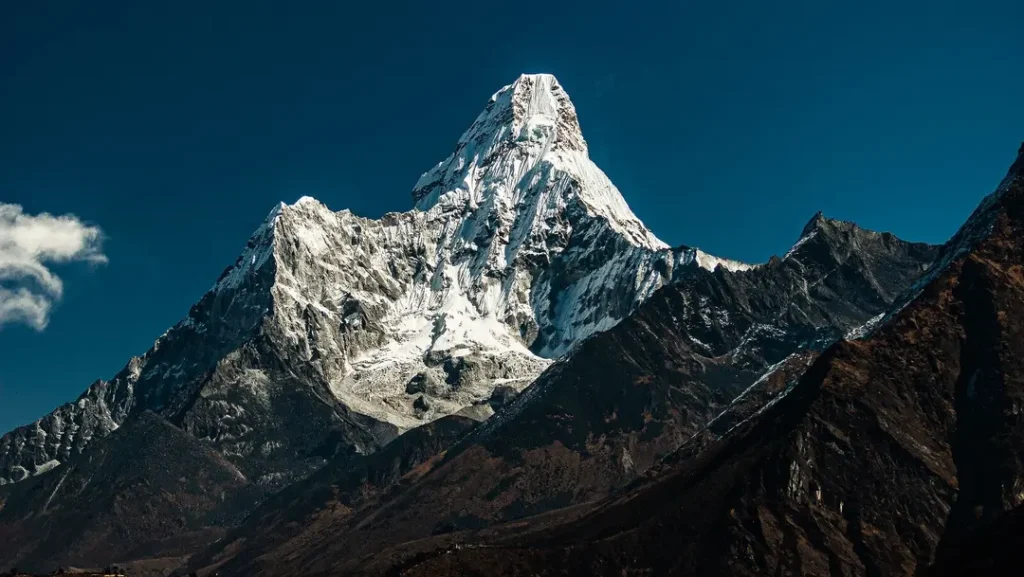
Mt. Baruntse, rising to 7,129 meters (23,389 ft), is one of Nepal’s most impressive and challenging Himalayan peaks. Located in the remote Hunku Valley, the expedition combines spectacular wilderness, high-altitude trekking, and technical mountaineering.
The journey passes through beautiful valleys, glaciers, and rugged mountain landscapes before reaching Baruntse Base Camp. Climbers face steep snow and ice sections, demanding weather, and high-altitude conditions on the way to the summit. The expedition also provides magnificent views of Mt. Everest, Lhotse, Makalu, Ama Dablam, and surrounding Himalayan peaks.
With proper acclimatization, technical climbing skills, and good physical preparation, the Mt. Baruntse Expedition offers an unforgettable Himalayan adventure for experienced mountaineers.

Mt. Dhaulagiri Expedition – Itinerary
Day 01: Arrival in Kathmandu
Arrive in Kathmandu and transfer to your hotel. Meet your trekking team and prepare for the adventure
Day 02: Kathmandu – Expedition Preparation
Final preparations, equipment checking, permit arrangements, and briefing with the climbing team.
Day 3: Fly to Lukla & Trek Begins
Take a scenic flight to Lukla and begin trekking toward the remote Hunku Valley.
Day 4–8: Trek to Baruntse Base Camp
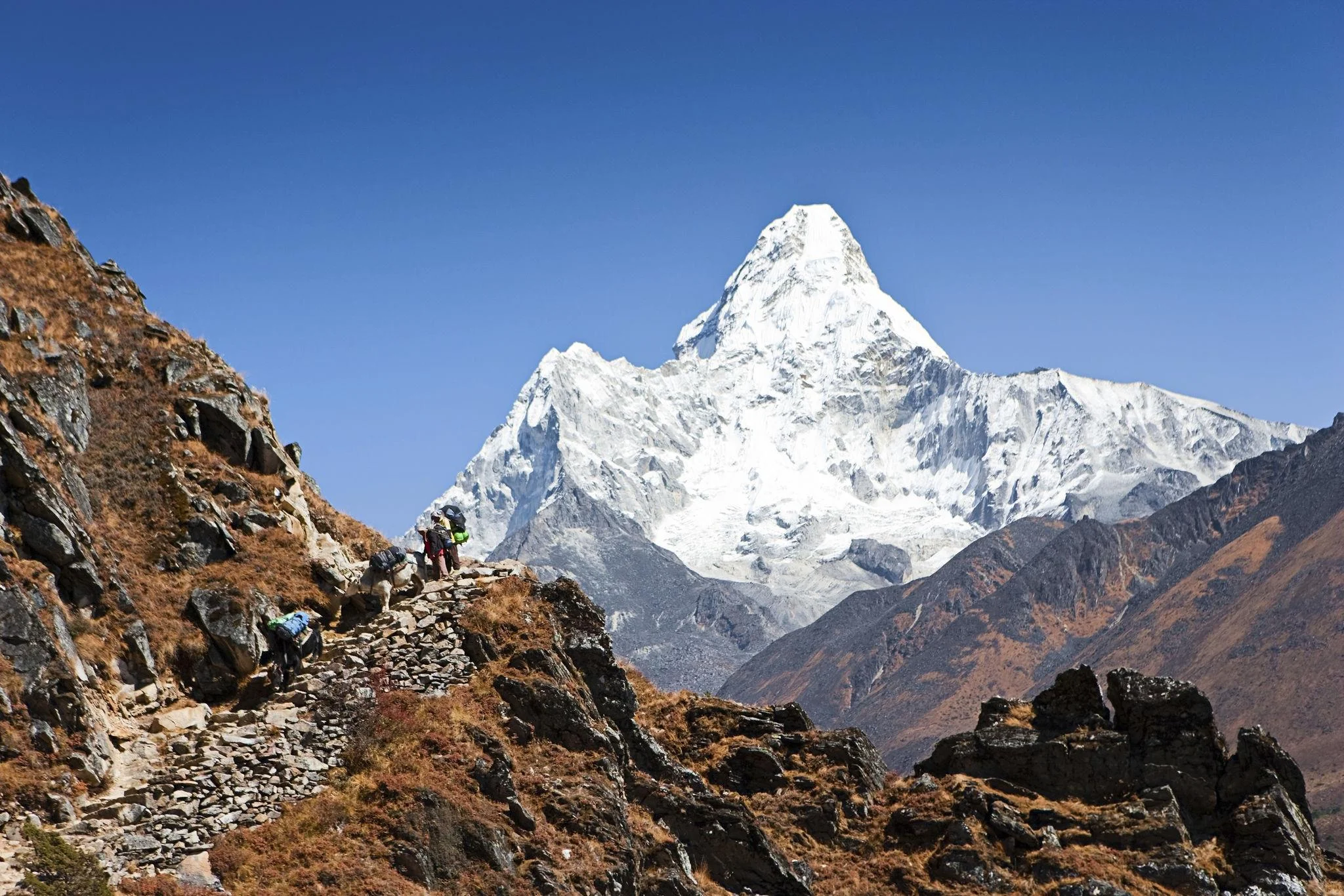
Trek through beautiful Himalayan landscapes, remote valleys, and rugged terrain while gradually gaining altitude.
Day 9: Baruntse Base Camp
Reach Baruntse Base Camp, settle into the camp, rest, and prepare for the climbing phase.
Day 10–15: Acclimatization & Climbing Training
Spend several days acclimatizing and practicing essential climbing techniques on snow and ice. Higher camps are gradually established.
Day 16–20: High Camp Preparation
Continue climbing rotations and prepare the route toward High Camp. The team focuses on rest, acclimatization, and summit preparation.
Day 21: Summit Attempt – Mt. Baruntse (7,129 m)
Begin the summit push during favorable weather. After reaching the summit, enjoy spectacular views before descending to a safer camp.
Day 22–25: Descent & Return Trek
Descend from the mountain and retrace the route through the Hunku Valley toward lower elevations.
Day 26: Return to Kathmandu
Fly back to Kathmandu and transfer to the hotel for a well-earned rest.
Day 27: Leisure & Contingency Day
Enjoy free time in Kathmandu or use this day as a contingency for unexpected weather or expedition delays.
Day 28: International Departure
Transfer to the airport for your onward journey, concluding the Mt. Baruntse Expedition.
Essential Information
Mt. Baruntse Expedition is a very challenging technical mountaineering adventure to the summit of Mt. Baruntse (7,129 m / 23,389 ft) in Nepal’s Hunku Valley. The expedition generally takes around 28–35 days and is best undertaken during the spring and autumn seasons, when weather conditions are more suitable for climbing. Climbers should have excellent physical fitness, strong endurance, and previous high-altitude mountaineering experience. The journey involves glacier crossings, steep snow and ice sections, and changing high-altitude weather. Proper acclimatization, climbing training, and appropriate equipment such as crampons, ice axe, harness, helmet, climbing boots, and warm clothing are essential. Required permits, experienced guides, camping arrangements, and expedition logistics should be organized before departure, while personal insurance, rescue costs, international airfare, and personal equipment are generally the responsibility of the climber.
Place You will Visit
Inclusinons And Exclusion
- Airport pickup and drop-off.
- Hotel accommodation in Kathmandu.
- Domestic flights and transportation as per itinerary.
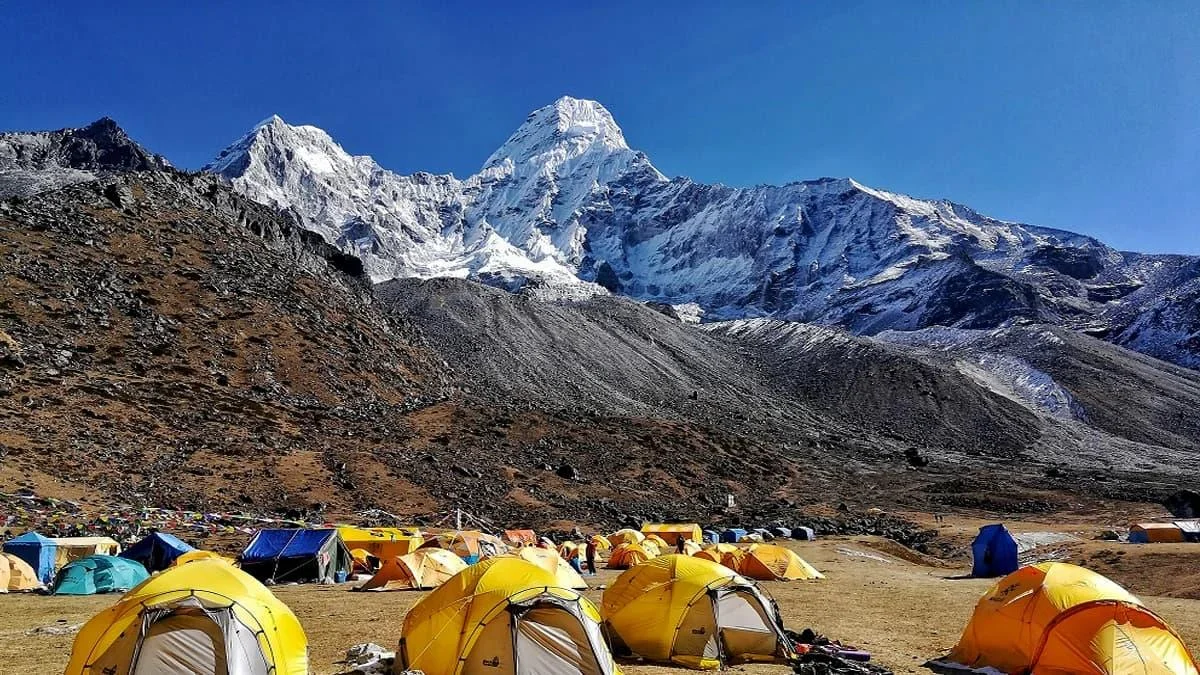
- Accommodation in tents during the expedition.
- Meals during the trekking and expedition period.
- Experienced expedition leader, climbing guides, and support staff.
- Required climbing and trekking permits.
- Base Camp and high-camp setup.
- Camping, kitchen, and dining equipment.
- Necessary expedition logistics and support.
- International airfare.
- Nepal visa and entry fees.
- Personal travel and rescue insurance.
- Personal trekking and climbing equipment.
- Extra hotel nights and meals in Kathmandu.
- Emergency evacuation and medical expenses.
- Personal expenses, drinks, and laundry.
- Internet, phone, and communication costs.
- Tips for guides, porters, and expedition staff.
- Any services not specifically mentioned under the inclusions.
Frequently Asked Questions:
How difficult is the Baruntse Expedition?
>> It is a technically challenging expedition requiring good physical fitness, climbing skills, and previous mountaineering experience.
What is the best season for the expedition?
>> The best seasons are generally spring (April–May) and autumn (September–November) when weather and climbing conditions are more favorable.
How long does the expedition take?
>> A typical Baruntse Expedition takes approximately 28–35 days, depending on weather, acclimatization, and route conditions.
Do I need previous climbing experience?
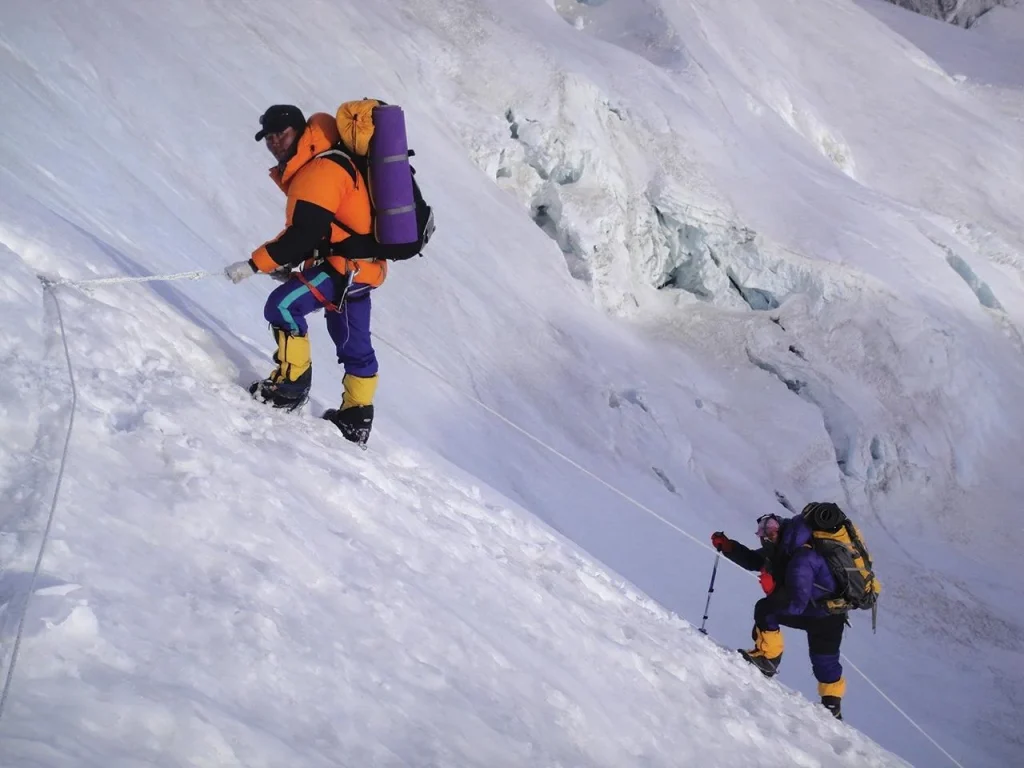
>> Yes. Experience with crampons, ice axe, ropes, glacier travel, and fixed-line climbing is highly recommended.
What major risks are involved?
>> Major risks include avalanches, altitude sickness, crevasses, extreme cold, strong winds, and rapidly changing weather.
Is insurance necessary?
>> Yes. Comprehensive insurance covering high-altitude mountaineering, medical treatment, emergency evacuation, and rescue is strongly recommended.