



Trip Highlights
- Summit Mera Peak – 6,476 m
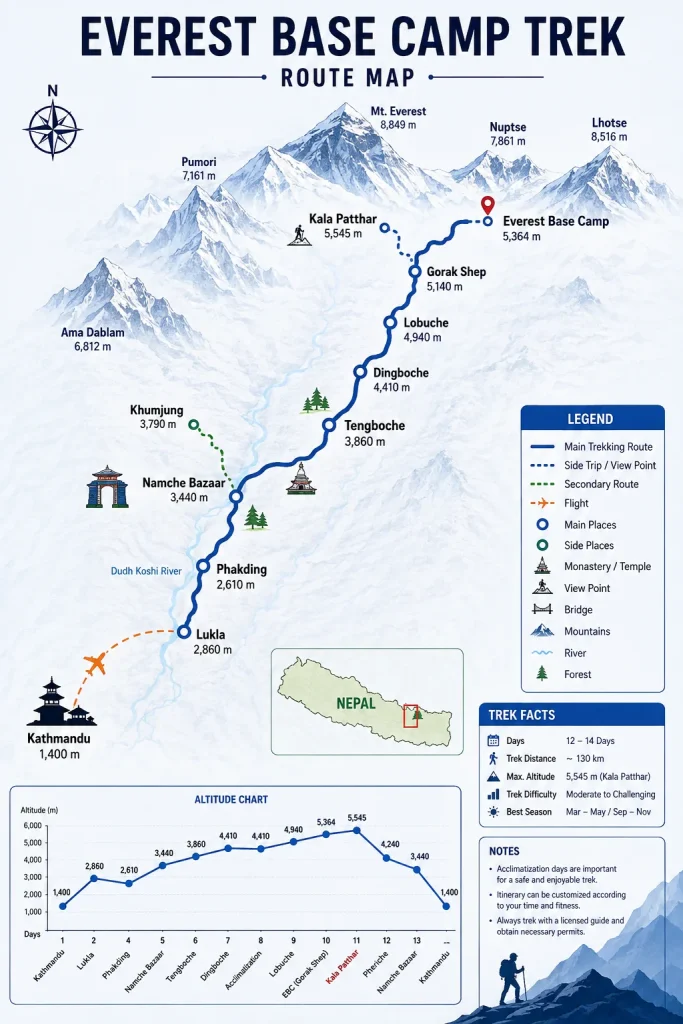
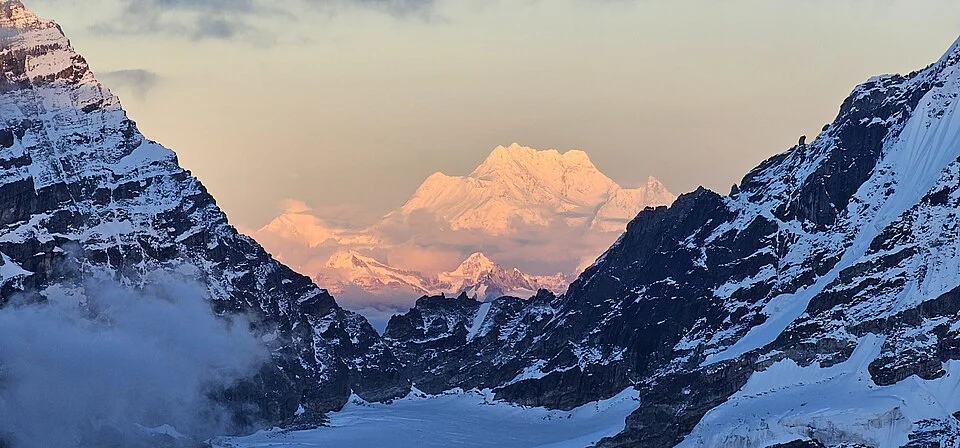
- Panoramic views of Everest, Lhotse, Makalu, Cho Oyu & Kanchenjunga
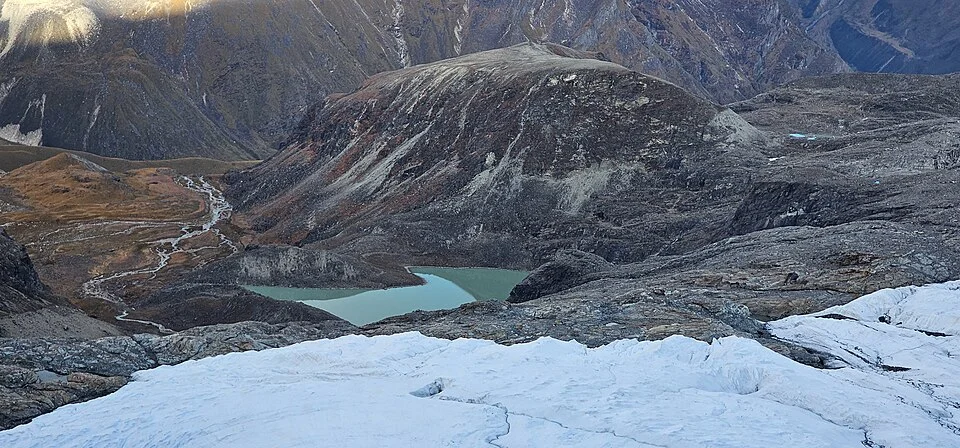
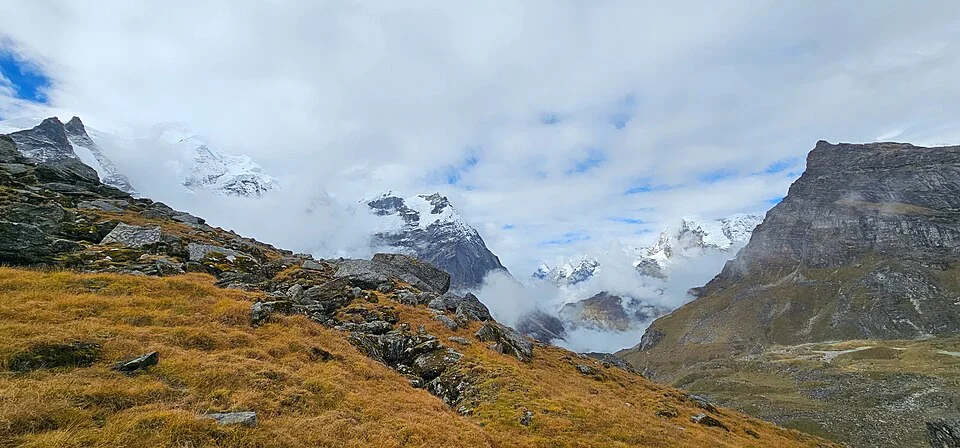
- Trek through the beautiful Hinku Valley
- Experience Himalayan camping and high-altitude adventure
- Explore Sherpa villages and Buddhist culture
- Learn basic mountaineering and glacier-travel skills
- Optional scenic helicopter return possibilities
Overview
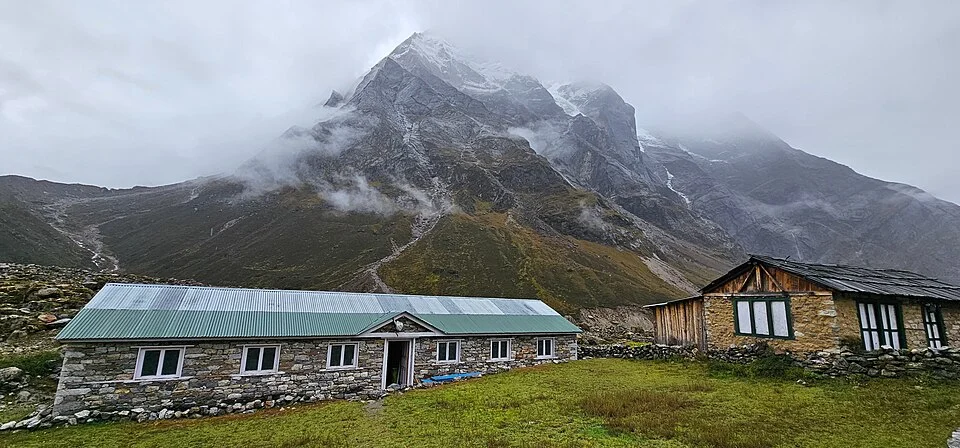
Mera Peak Climbing is an exciting Himalayan adventure that takes you to the summit of Mera Peak (6,476 m), the highest trekking peak in Nepal. The journey leads through the remote and beautiful Hinku Valley, offering spectacular views of Everest, Lhotse, Makalu, Cho Oyu, and Kanchenjunga. Along the way, trekkers experience traditional Sherpa villages, alpine landscapes, glaciers, and peaceful mountain surroundings. The climb combines trekking and basic mountaineering, making it an ideal adventure for those seeking their first major Himalayan summit experience.
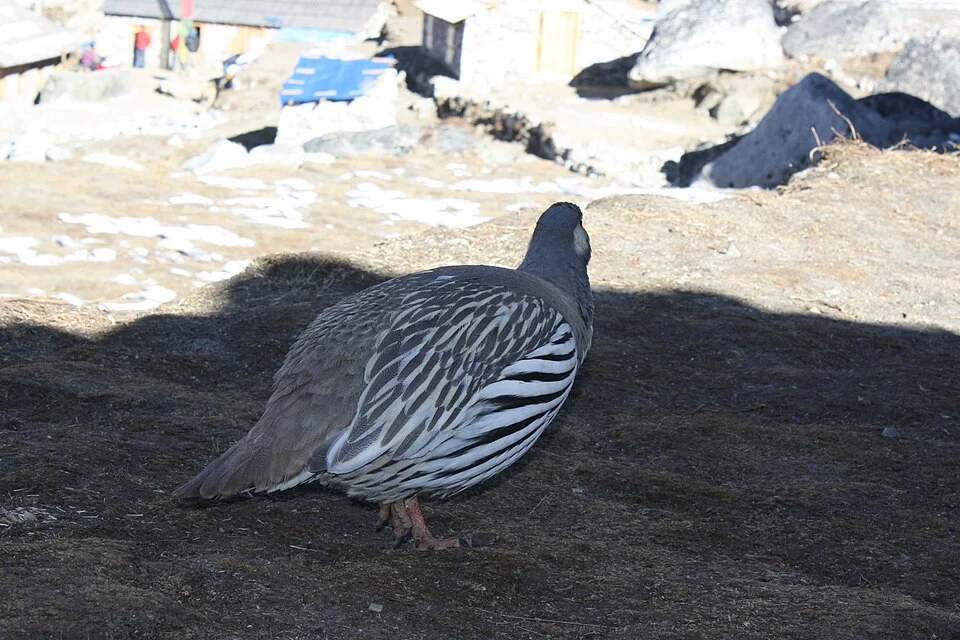
Everest Base Camp Trek – Itinerary
Day 1: Arrival in Kathmandu
Arrival in Kathmandu and transfer to the hotel. Meet the trekking team and prepare for the adventure.
Day 02: Kathmandu Sightseeing & Climbing Preparation
Briefing, equipment check, and preparation for the climb.
Day 03: Fly to Lukla & Trek to Chhuthang
Scenic flight to Lukla followed by a trek through beautiful mountain trails.
Day 04: Chhuthang to Thuli Kharka
Cross the Zatrawala Pass and continue through alpine landscapes.
Day 05: Thuli Kharka to Kothe
Descend into the Hinku Valley and trek along the Hinku River.
Day 06: Kothe to Thangnak
Follow the river through the valley toward Thangnak.
Day 07: Acclimatization at Thangnak
Rest and explore the surrounding area to adjust to the altitude.
Day 08: Thangnak to Khare
Trek toward Khare with spectacular views of Mera Peak.
Day 09: Acclimatization & Climbing Training at Khare
Rest and receive basic training in crampon, rope, and ice-axe techniques.
Day 10: Khare to Mera Base Camp
Trek across the Mera Glacier to reach Base Camp.
Day 11: Mera Base Camp to High Camp
Climb toward High Camp and prepare for the summit attempt.
Day 12: Summit Mera Peak (6,476 m) & Return
Early morning summit attempt. Enjoy breathtaking Himalayan views before descending.
Day 13: Reserve/Contingency Day
Reserved for unfavorable weather or unexpected climbing conditions.
Day 14–16: Return Trek to Lukla
Descend through the Hinku Valley and return to Lukla.
Day 17: Fly Lukla to Kathmandu
Scenic flight back to Kathmandu and transfer to the hotel.
Essential Information
Mera Peak Climbing is a challenging Himalayan adventure reaching 6,476 meters (21,246 ft) in Nepal’s Everest region. The journey generally takes around 18 days, beginning with a flight to Lukla and continuing through the beautiful Hinku Valley. The best seasons for climbing are spring (March–May) and autumn (September–November), when weather and visibility are generally favorable. Good physical fitness and previous high-altitude trekking experience are recommended. Climbers need suitable warm clothing and mountaineering equipment such as crampons, harnesses, helmets, ice axes, and proper climbing boots. Basic climbing and glacier techniques are provided before the summit attempt. Proper acclimatization, experienced guides, and comprehensive travel insurance covering high-altitude trekking and emergency evacuation are essential for a safe and successful climb.
Explore the Destinations
Inclusinons And Exclusion
- Airport transfers in Kathmandu.
- Hotel accommodation in Kathmandu.
- Domestic flights between Kathmandu and Lukla.
- Experienced trekking and climbing guide.
- Required Mera Peak climbing permits.
- Accommodation in teahouses and camping during the trek.
- Meals during the trekking and climbing period.
- Porters and necessary support staff.
- Camping equipment and kitchen equipment.
- Basic climbing equipment such as ropes, ice axe, crampons, and harness.
- Government taxes and official charges.
- Guide and porter insurance, food, and accommodation.
- International airfare to and from Nepal.
- Nepal entry visa fees.
- Personal travel and rescue insurance.
- Personal climbing and trekking equipment.
- Extra hotel accommodation and meals in Kathmandu.
- Alcoholic, bottled, and soft drinks.
- Personal expenses and laundry.
- Tips for guides, porters, and staff.
- Emergency helicopter evacuation and medical expenses.
- Expenses caused by bad weather, flight delays, or unforeseen circumstances.
- Any services not specifically mentioned in the inclusion section.