



Trip Highlights
- Climb Mt. Manaslu at 8,163 m, the eighth-highest mountain in the world.
- Experience a challenging 8,000-meter-class mountaineering expedition.
- Enjoy spectacular views of Manaslu, Himalchuli, Ngadi Chuli, and Ganesh Himal.
- Explore the remote and beautiful Manaslu region.
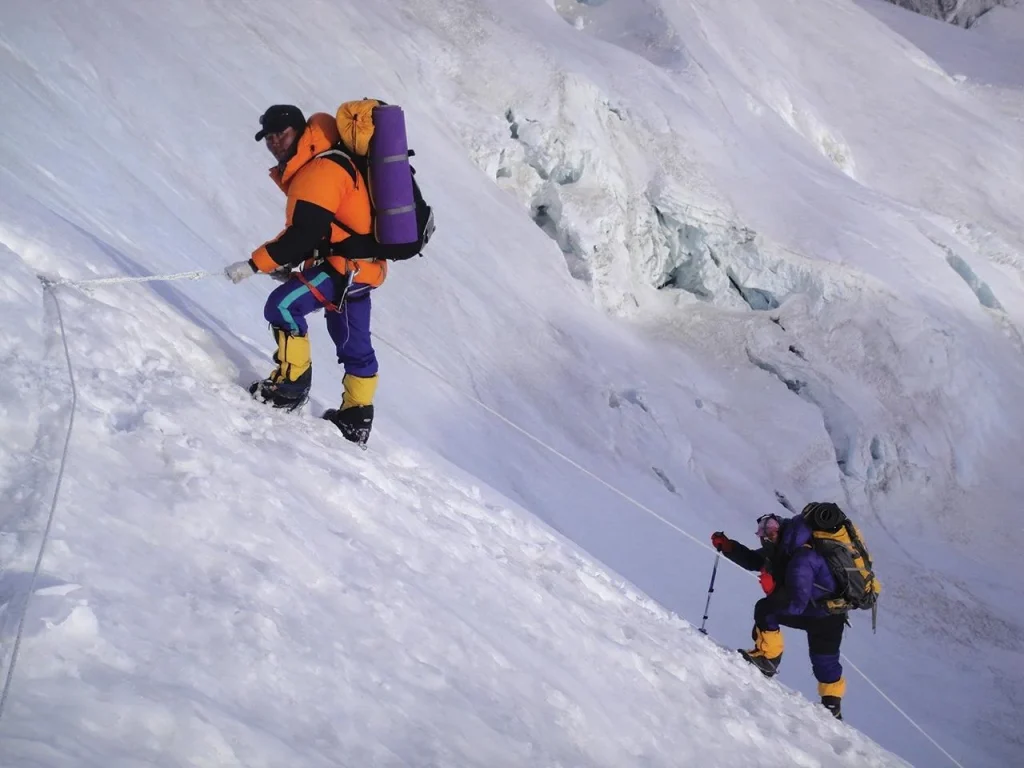
- Experience glacier crossings, snow slopes, and technical climbing sections.
- Discover traditional Gurung and Tibetan-influenced mountain villages.
- Experience the unique Himalayan culture and ancient monasteries.
- Witness breathtaking sunrise and sunset views over the Manaslu range.
- Challenge yourself with extreme altitude, cold, and demanding terrain.
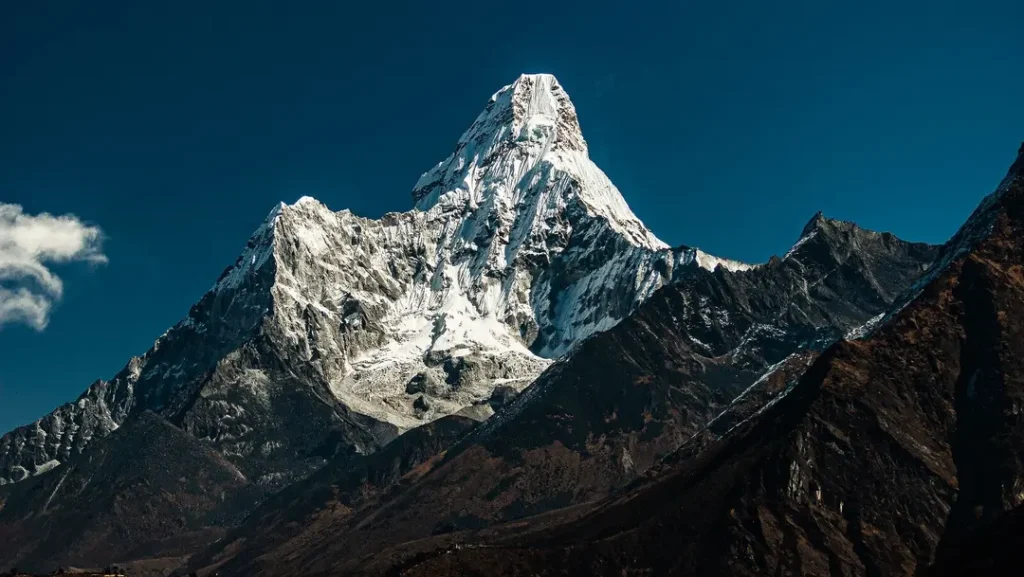
Overview
Mt. Manaslu, standing at 8,163 meters (26,781 ft), is the eighth-highest mountain in the world and one of Nepal’s most renowned 8,000-meter peaks. Located in the Mansiri Himal range, the mountain is known as the “Mountain of the Spirit” and offers spectacular views of glaciers, snow-covered peaks, and remote Himalayan landscapes.
The Mt. Manaslu Expedition is a challenging high-altitude mountaineering adventure designed for experienced climbers. The journey combines remote trekking, acclimatization, glacier travel, technical climbing, and a demanding summit attempt. Along the route, climbers experience traditional mountain villages, Tibetan-influenced culture, ancient monasteries, and the breathtaking scenery of the Manaslu region.
With proper preparation, experienced expedition leaders and Sherpa support, suitable technical equipment, and careful acclimatization, the Manaslu Expedition offers an unforgettable opportunity to challenge one of the world’s highest mountains.

Mt. Dhaulagiri Expedition – Itinerary
Day 01: Arrival in Kathmandu
Arrive in Kathmandu and transfer to your hotel. Meet your trekking team and prepare for the adventure
Day 02: Kathmandu – Expedition Preparation
Final preparations, equipment checking, permit arrangements, and briefing with the climbing team.
Day 03: Kathmandu to Machha Khola – 930 m
Drive through scenic hills and villages to Machha Khola, the starting point of the trek.
Day 04–06: Machha Khola to Namrung – 2,630 m
Trek through forests, river valleys, traditional villages, and beautiful mountain landscapes.
Day 07–08: Namrung to Samagaon – 3,530 m
Continue through the upper Manaslu region with spectacular views of snow-covered peaks.
Day 09: Acclimatization at Samagaon
Rest and take a short hike to prepare the body for higher elevations.
Day 10: Samagaon to Manaslu Base Camp – 4,800 m
Trek toward Manaslu Base Camp and begin expedition preparations.
Day 11–25: Acclimatization & Camp Rotations
Rest, train, and make climbing rotations between Camp I, Camp II, Camp III, and Camp IV to prepare for the summit.
Day 26–28: Summit Attempt – Mt. Manaslu – 8,163 m
Make the final summit push, weather and route conditions permitting, and descend safely after reaching the summit.
Day 29–34: Return Trek to Machha Khola
Descend through Samagaon and lower Manaslu villages before reaching Machha Khola.
Day 35: Drive to Kathmandu
Return to Kathmandu by road and transfer to the hotel.
Day 36: Kathmandu – Rest & Leisure
Enjoy a free day for relaxation, sightseeing, or shopping.
Day 37: Final Departure
Transfer to the airport for your onward journey, marking the end of the Mt. Manaslu Expedition.
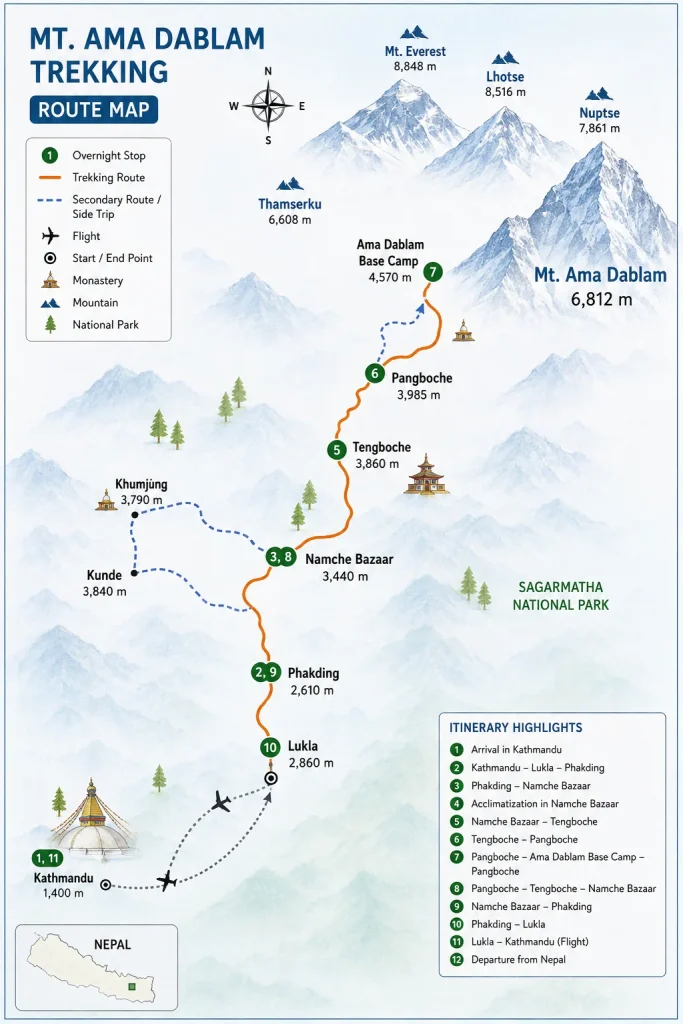
Essential Information
Mt. Manaslu stands at 8,163 m (26,781 ft) and is the world’s eighth-highest mountain. The expedition is extremely challenging and requires excellent physical fitness, technical climbing skills, and previous high-altitude experience. The best climbing season is autumn (September–October), with spring also possible. Proper acclimatization, experienced Sherpa support, technical climbing equipment, climbing permits, and comprehensive high-altitude insurance are essential. Climbers should be prepared for extreme cold, strong winds, glaciers, steep snow and ice, and altitude-related risks. Summit success depends on weather, route conditions, acclimatization, and the climber’s physical condition.
Place You will Visit
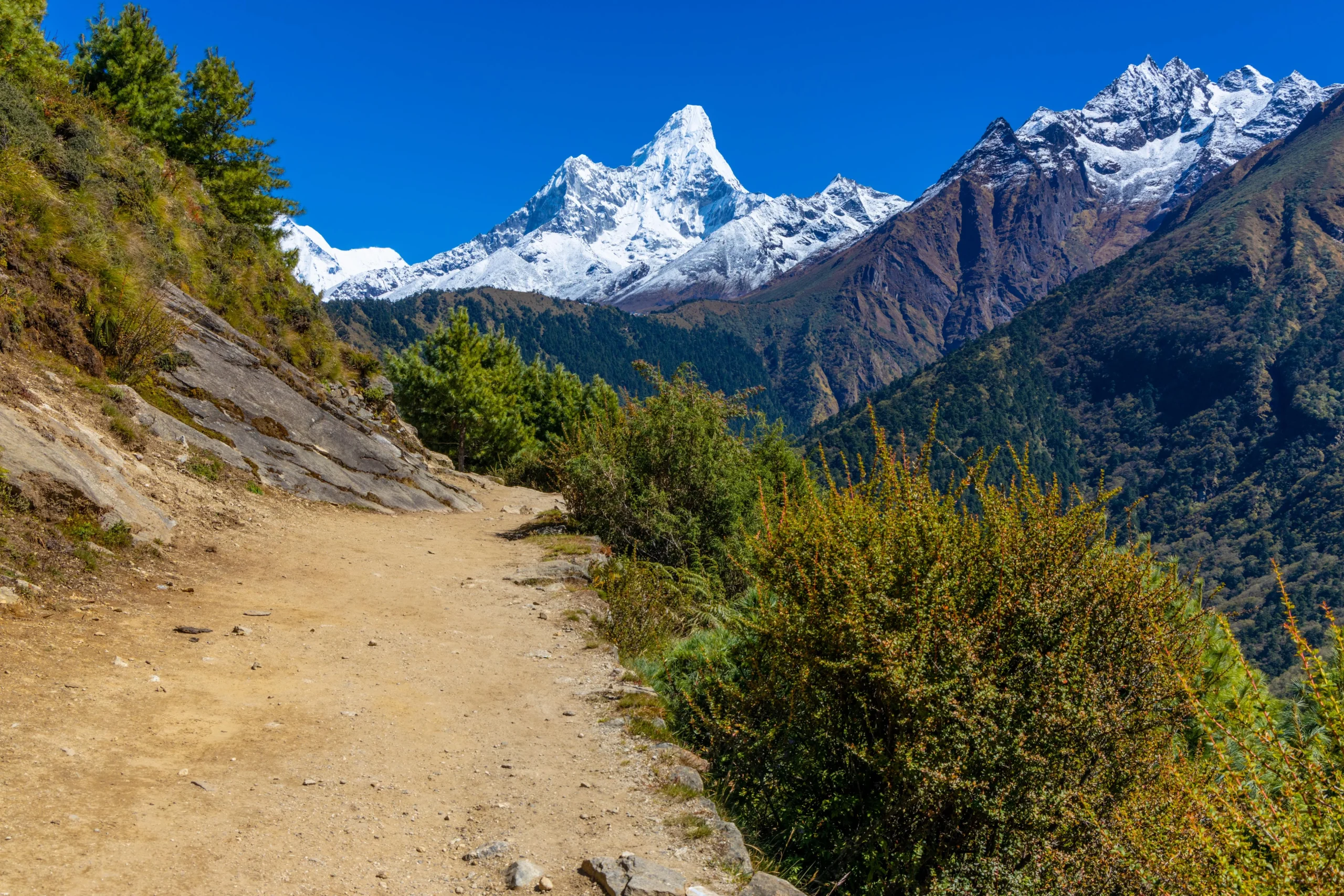
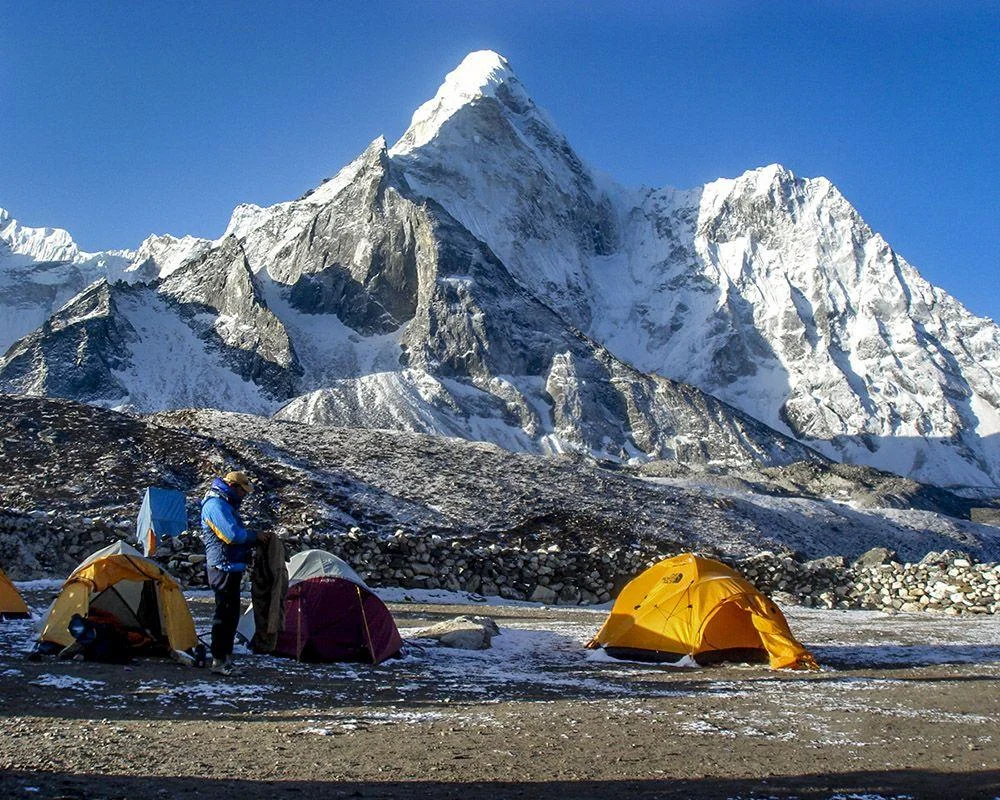
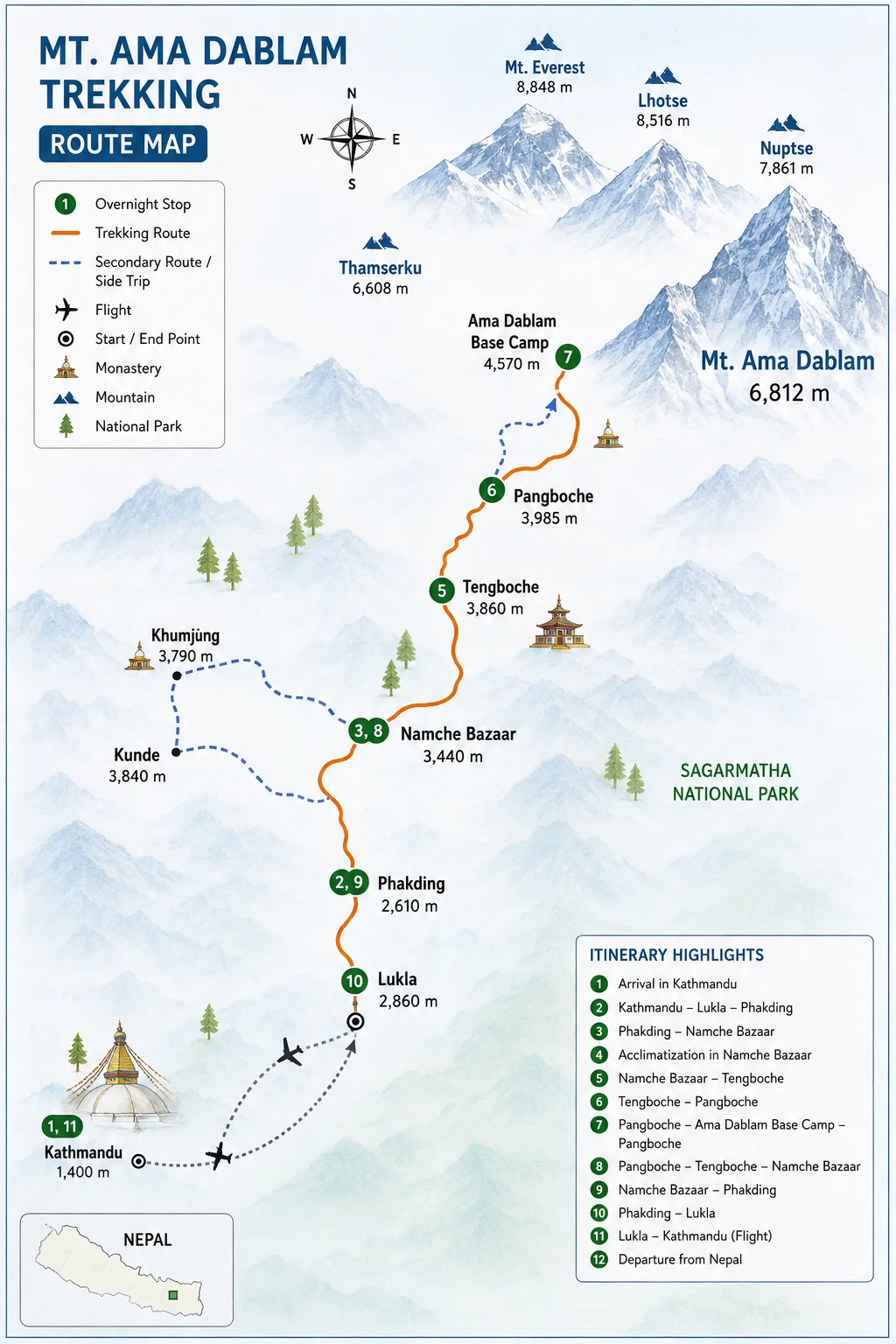
Inclusinons And Exclusion
- Airport pickup and drop-off in Kathmandu.
- Hotel accommodation in Kathmandu as per the itinerary.
- Transportation between Kathmandu and the trekking starting point.
- Teahouse accommodation during the trekking period.
- Camping accommodation at Manaslu Base Camp and higher camps.
- Meals during the trekking and expedition period.
- Experienced expedition leader, climbing Sherpas, guides, and porters.
- Manaslu climbing permit and required local permits.
- Manaslu Conservation Area permit and necessary entry fees.
- Base Camp facilities including tents, dining, kitchen, and toilet facilities.
- Expedition logistics and group climbing equipment.
- Staff wages, insurance, government taxes, and applicable service charges.
- International airfare to and from Nepal.
- Nepal entry visa and personal expenses.
- Personal climbing equipment and clothing.
- Travel, medical, and high-altitude rescue insurance.
- Emergency evacuation and medical expenses.
- Extra accommodation and meals in Kathmandu.
- Personal drinks, snacks, internet, and telephone expenses.
- Tips for guides, Sherpas, porters, and expedition staff.
- Costs caused by bad weather, flight delays, natural disasters, or unforeseen circumstances.
- Any services not specifically mentioned under the inclusions.
Frequently Asked Questions:
How difficult is the Manaslu Expedition?
>>It is an extremely challenging 8,000-meter expedition requiring excellent fitness, technical climbing skills, and previous high-altitude experience.
What is the best season for the expedition?
>>The main climbing season is autumn (September–October), while spring can also be suitable depending on conditions.
How long does the expedition take?
>> A typical Manaslu Expedition takes around 5–7 weeks, including trekking, acclimatization, camp rotations, summit attempts, and return.
Do I need previous climbing experience?
>>Yes. Previous experience with high-altitude mountaineering and technical climbing is strongly recommended.
5. What major risks are involved?
>> Major risks include altitude sickness, avalanches, crevasses, extreme cold, strong winds, and rapidly changing weather.
Is insurance necessary?
>> Yes. Comprehensive insurance covering high-altitude mountaineering, medical treatment, emergency evacuation, and rescue is strongly recommended.