



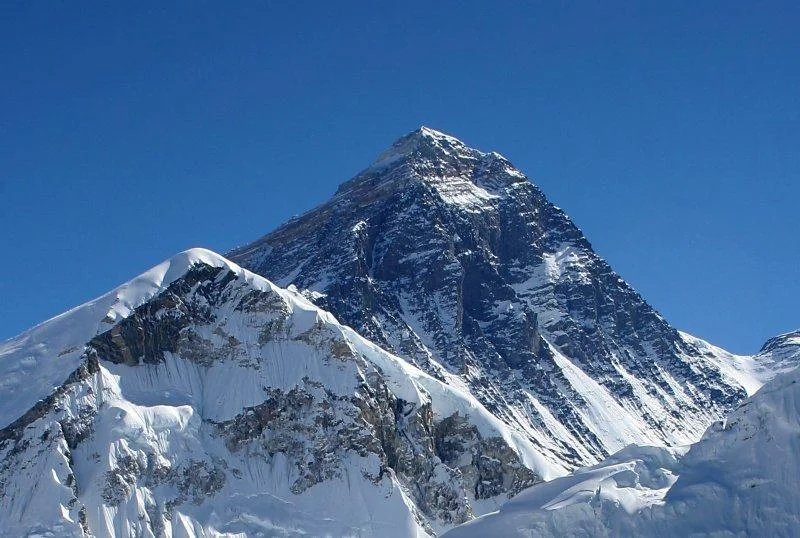
Trip Highlights
- Summit Mt. Everest – 8,848.86 m
- Challenging high-altitude technical climbing
- Everest Base Camp and higher camps
- Spectacular views of Lhotse, Nuptse, Ama Dablam and surrounding peaks
- Khumbu Icefall and high-altitude glacier crossings
- Experience Sherpa culture and traditional Himalayan villages
- One of the world's ultimate mountaineering challenges
Overview
Mt. Everest (8,848.86 m) is the highest mountain in the world and one of the most iconic destinations for mountaineers. Located in Nepal’s Khumbu region, the Everest Expedition is a demanding high-altitude adventure that combines trekking through the Himalayas with technical climbing.
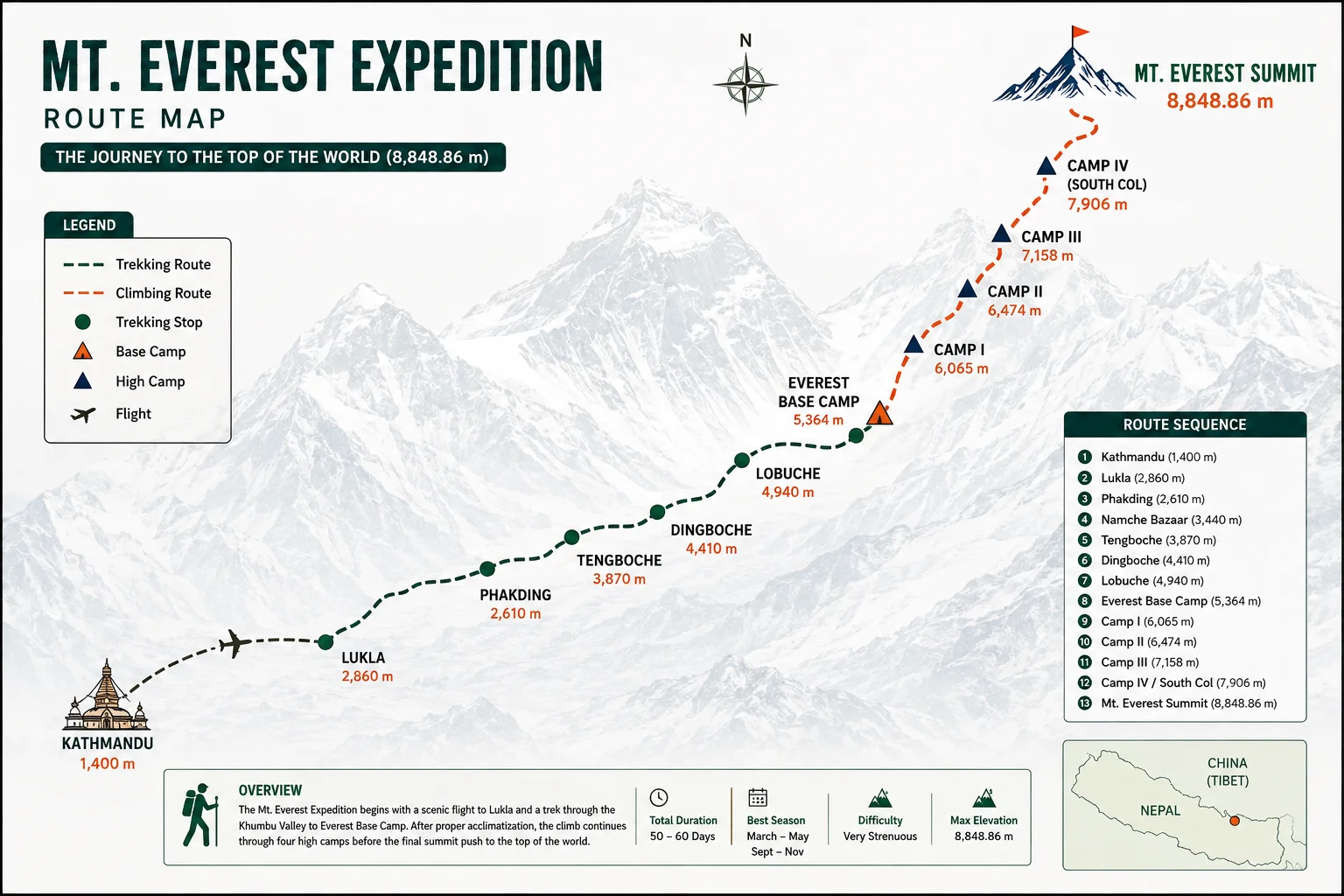
The expedition begins in Kathmandu and continues toward the Everest region, passing through famous Sherpa settlements and Everest Base Camp. Climbers spend considerable time acclimatizing before ascending through the Khumbu Icefall, Camp I, Camp II, Camp III, and Camp IV (South Col) for the final summit attempt. The journey requires excellent physical fitness, previous high-altitude climbing experience, proper acclimatization, and specialized mountaineering equipment.
With spectacular Himalayan scenery, Sherpa culture, challenging terrain, and the ultimate goal of reaching 8,848.86 m, the Mt. Everest Expedition is a once-in-a-lifetime adventure for experienced climbers.
Mt. Everest Expedition – Itinerary
Day 01: Arrival in Kathmandu
>> Arrival in Kathmandu, airport transfer, hotel check-in, and expedition briefing.
Day 2: Expedition Preparation
>> Final equipment checks, permit arrangements, and preparation for the expedition.
Day 3: Fly to Lukla – Trek to Phakding
>> Scenic flight to Lukla followed by a short trek through the Dudh Koshi Valley to Phakding.
Day 4: Phakding – Namche Bazaar
>> Trek through pine forests and cross suspension bridges before reaching the famous Sherpa town of Namche Bazaar.
Day 5: Acclimatization at Namche
>> Rest and acclimatization day with a short hike for stunning views of Everest and surrounding peaks.
Day 6: Namche – Tengboche
>> Continue toward Tengboche, home to the famous Tengboche Monastery, with spectacular mountain views.
Day 7: Tengboche – Dingboche
>> Trek through alpine landscapes and traditional villages toward Dingboche.
Day 8: Acclimatization at Dingboche
>> Rest and acclimatization with a short hike to higher elevations.
Day 9: Dingboche – Lobuche
>> Continue through the Khumbu Valley toward Lobuche, surrounded by dramatic Himalayan peaks.
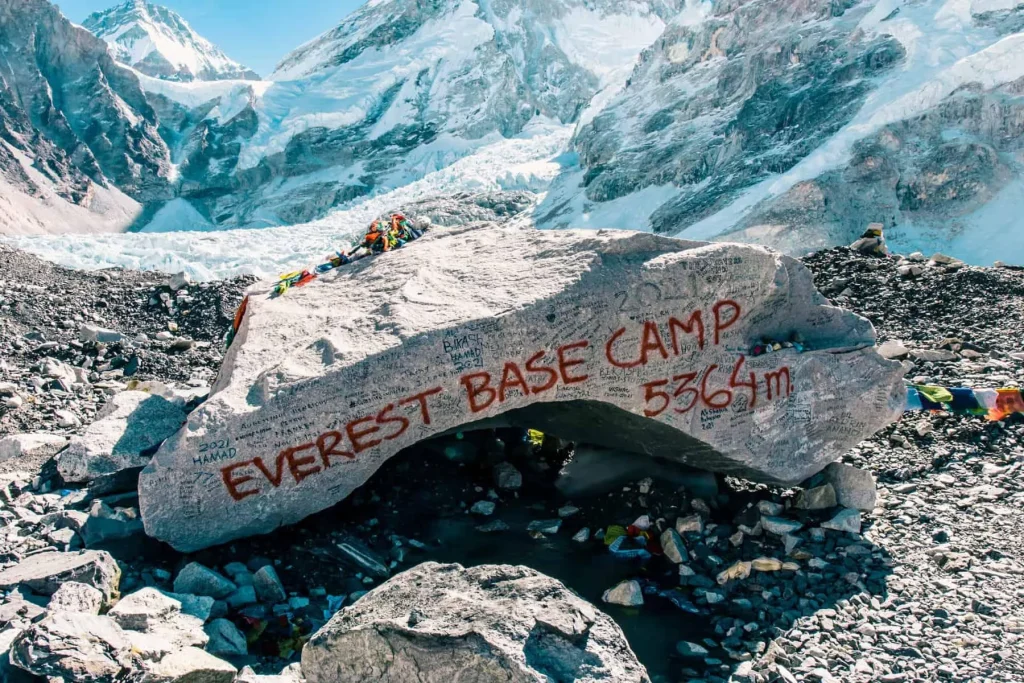
Day 10: Lobuche – Everest Base Camp
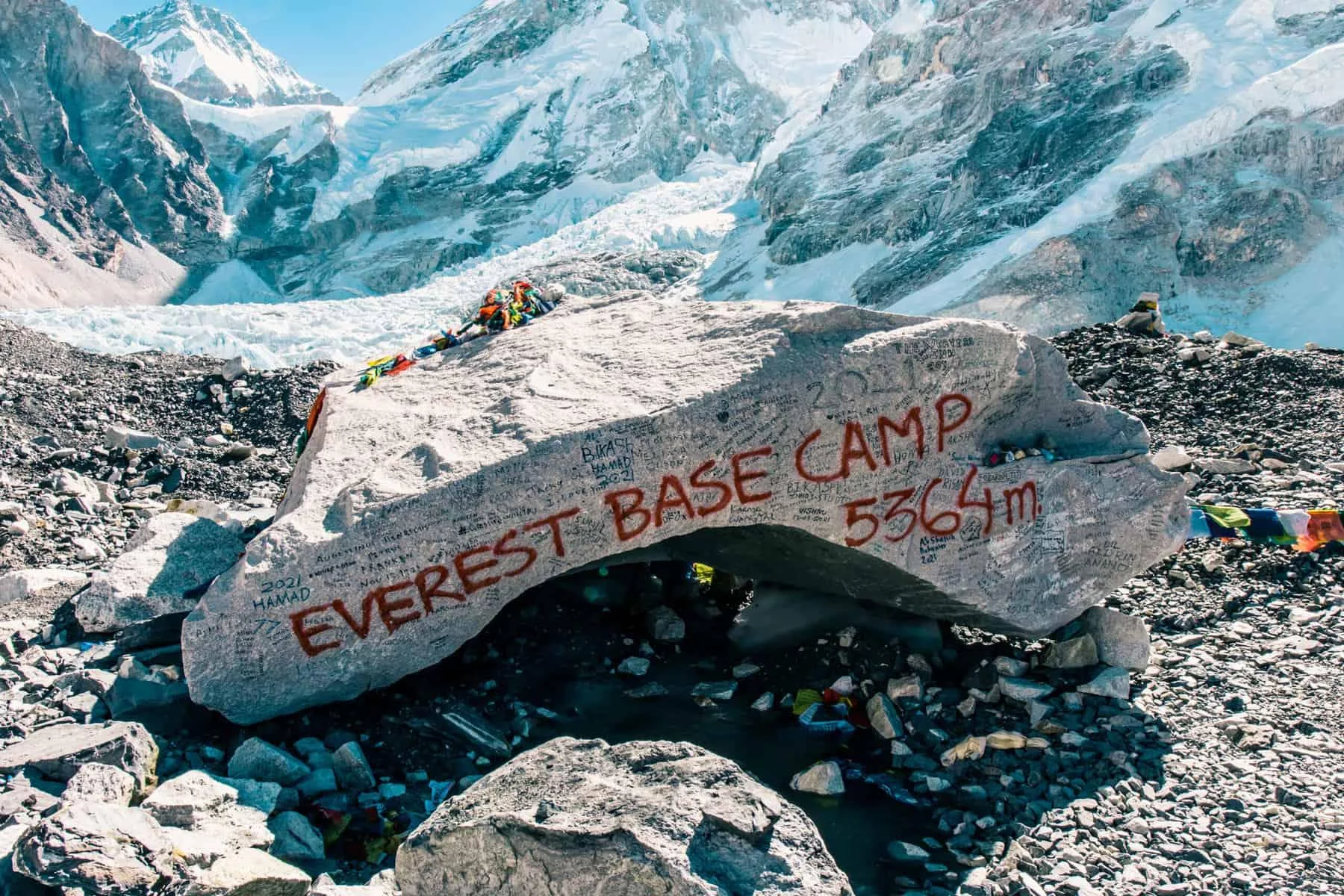
>> Trek through the glacial landscape to Everest Base Camp (5,364 m).
Day 11–12: Base Camp Acclimatization & Training
>> Rest, acclimatization, climbing practice, and preparation for the higher camps.
Day 13–45: Climbing & Acclimatization Period
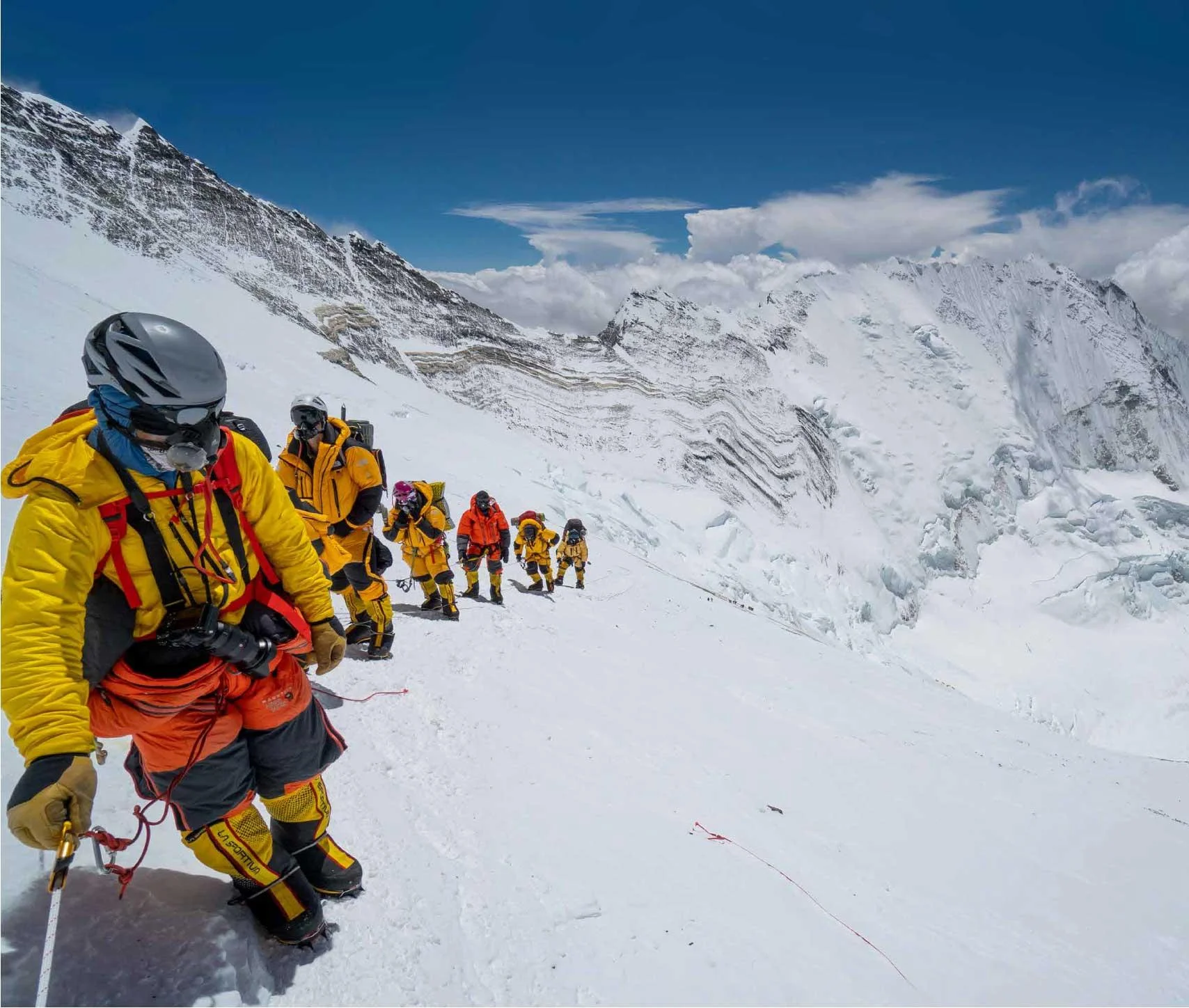
>> Gradual movement between Camp I, Camp II, Camp III, and Camp IV, with rest and acclimatization periods before the summit attempt.
Day 46: Summit Attempt – Mt. Everest (8,848.86 m)
>> The ultimate objective: climb from Camp IV toward the summit of Mt. Everest, depending on weather and route conditions.
Day 47–50: Descent to Base Camp
>> Descend safely through the higher camps and return to Everest Base Camp.
Day 51–53: Base Camp – Lukla
>> Trek back through the Khumbu region, passing villages including Namche Bazaar, before reaching Lukla.
Day 54: Fly Lukla – Kathmandu
>> Fly back to Kathmandu and enjoy a well-earned rest.
Day 55: Departure
>> Transfer to the airport for your onward journey.
Mt. Everest Expedition – Itinerary Description
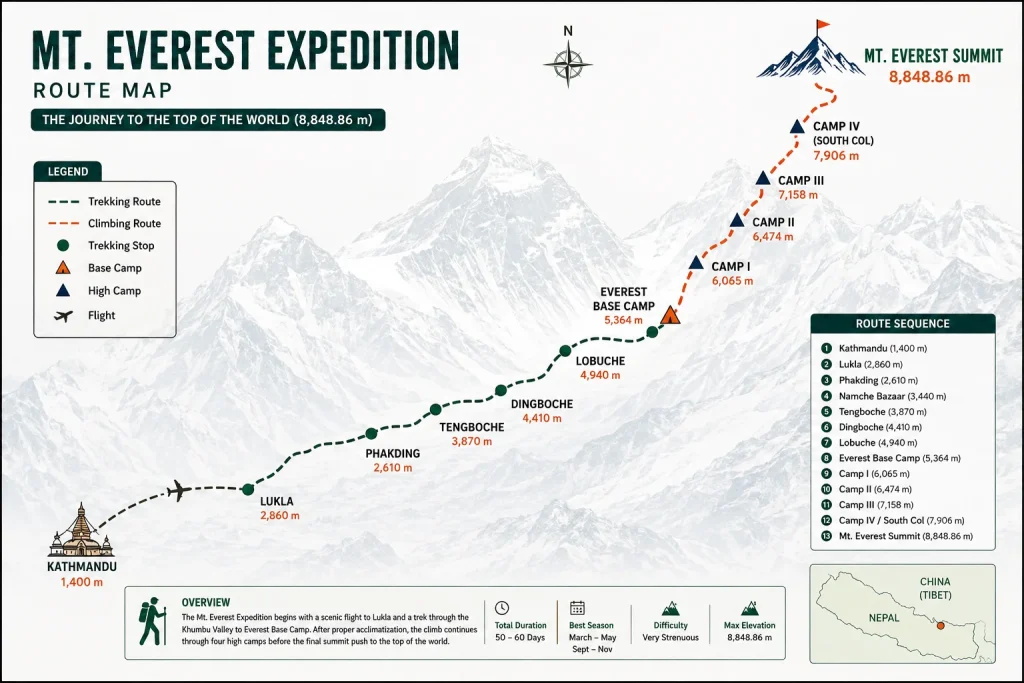
The Mt. Everest Expedition is an extraordinary journey to the world’s highest summit at 8,848.86 meters. The expedition begins with a flight from Kathmandu to Lukla, followed by a trek through the beautiful Khumbu Valley, passing through Namche Bazaar, Tengboche, Dingboche, Lobuche, and Everest Base Camp.
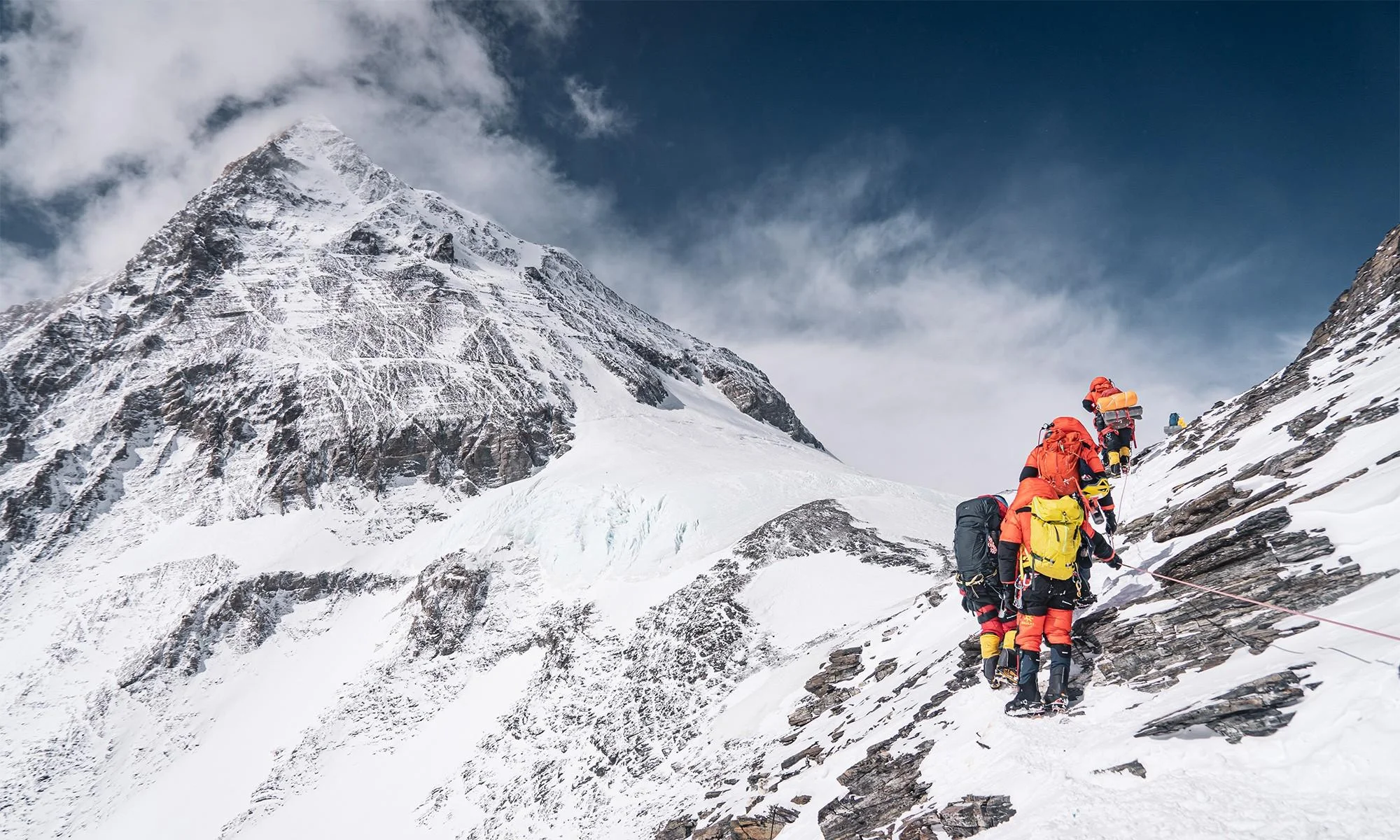
After reaching Base Camp, climbers spend several weeks acclimatizing, training, and gradually ascending through Camp I, Camp II, Camp III, and Camp IV. The final summit push takes climbers through the challenging Khumbu Icefall, Western Cwm, Lhotse Face, and South Col before reaching the summit of Mt. Everest. After the summit attempt, the team descends safely back to Base Camp and returns to Kathmandu.
The expedition requires excellent physical fitness, previous high-altitude climbing experience, technical skills, proper acclimatization, and suitable mountaineering equipment.
Essential Information
Height: 8,848.86 m
Location: Khumbu Region, Nepal
Difficulty: Extremely Challenging / Technical
Duration: Approximately 50–60 Days
Best Season: Spring (March–May) and Autumn (September–November)
Experience: Previous high-altitude mountaineering experience required
Fitness: Excellent physical fitness and endurance required
Permits: Everest climbing permit and required national park/local permits
Acclimatization: Multiple acclimatization and rotation periods are essential
Equipment: Complete high-altitude and technical climbing equipment required
Insurance: High-altitude climbing and emergency evacuation coverage strongly recommended
Maximum Altitude: 8,848.86 m
Safety: Summit attempts depend on weather, route conditions, and climber health.
Place You will Visit
Inclusinons And Exclusion
- Airport transfers in Kathmandu
- Hotel accommodation in Kathmandu
- Domestic flights: Kathmandu–Lukla–Kathmandu
- Accommodation during the trekking period
- Full-board meals during the expedition
- Everest climbing permit and applicable permits
- Sagarmatha National Park entry fee
- Experienced expedition leader and climbing Sherpa team
- High-altitude Sherpa support
- Base Camp and higher-camp logistics
- Tents, kitchen equipment, fuel, and camping supplies
- Necessary group climbing equipment
- Basic first-aid and emergency support
- Government and local taxes
- International airfare to and from Nepal
- Nepal visa fee
- Personal travel and high-altitude insurance
- Personal trekking and climbing equipment
- Emergency helicopter evacuation
- Personal medical expenses
- Extra hotel nights in Kathmandu
- Meals and drinks outside the included package
- Personal expenses, laundry, and communication costs
- Tips for guides, Sherpas, cooks, and support staff
- Personal oxygen or additional climbing equipment, if required
- Costs caused by flight delays, bad weather, or unforeseen circumstances
- Any services not specifically mentioned under inclusions
Frequently Asked Questions:
1. How high is Mt. Everest?
>> Mt. Everest is 8,848.86 meters (29,031.7 ft) high and is the highest mountain in the world.
2. How difficult is the Everest Expedition?
>> It is an extremely challenging technical expedition requiring excellent fitness and previous high-altitude climbing experience.
3. What is the best season for the Everest Expedition?
>> The main climbing seasons are spring (March–May) and autumn (September–November).
4. How long does the expedition take?
>> A complete Everest Expedition generally takes around 50–60 days, depending on weather, acclimatization, and route conditions.
5. Do I need previous climbing experience?
>> Yes. Previous high-altitude and technical mountaineering experience is strongly recommended.
6. What permits are required?
>> An Everest climbing permit, Sagarmatha National Park entry permit, and other applicable local permits are required.
7. What equipment do I need?
>> You need specialized high-altitude equipment such as mountaineering boots, crampons, ice axe, harness, helmet, down clothing, sleeping bag, and other technical gear.
8. Is acclimatization included?
>> Yes. The expedition includes several acclimatization and climbing rotations to help the body adapt safely to extreme altitude.
9. Is travel insurance necessary?
>> Yes. Comprehensive insurance covering high-altitude mountaineering and emergency evacuation is strongly recommended.
10. Can the itinerary change?
>> Yes. The itinerary may change depending on weather, route conditions, health, and safety requirements.