



Trip Highlights
- Summit Island Peak – 6,189 m
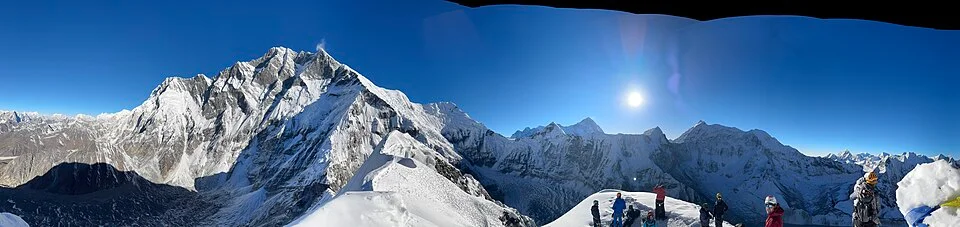
- Stunning views of Everest, Lhotse, Nuptse & Ama Dablam
- Trek through the spectacular Khumbu Valley
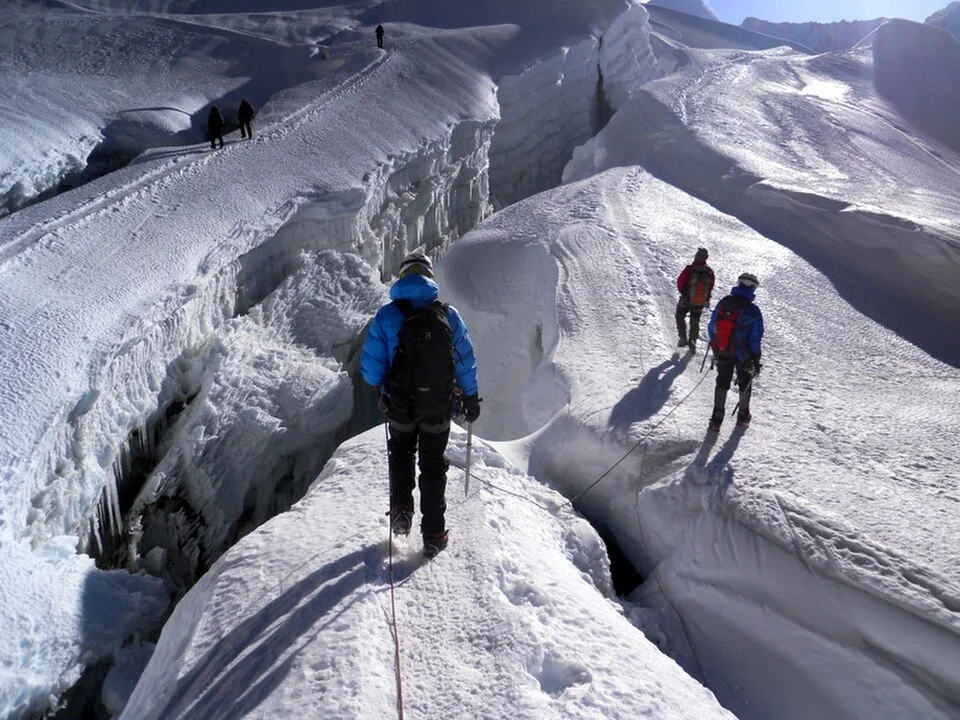
- Experience glacier walking, rope techniques, crampons, and ice axe climbing
- Overnight at Island Peak Base Camp
- Explore traditional Sherpa villages and monasteries
- Ideal introduction to Himalayan peak climbing
- Enjoy breathtaking alpine and glacier landscapes

Overview
Island Peak (6,189 m), locally known as Imja Tse, is one of Nepal’s most popular trekking peaks, located in the Everest region. The adventure follows the classic Khumbu trail through beautiful Sherpa villages, including Namche Bazaar and Dingboche, before reaching Island Peak Base Camp. The climb offers an exciting combination of trekking, glacier travel, and basic mountaineering, with spectacular views of Mount Everest, Lhotse, Nuptse, Ama Dablam, and Baruntse. Island Peak is an excellent choice for adventure seekers looking to experience Himalayan peak climbing while exploring the stunning landscapes and rich Sherpa culture of the Everest region.

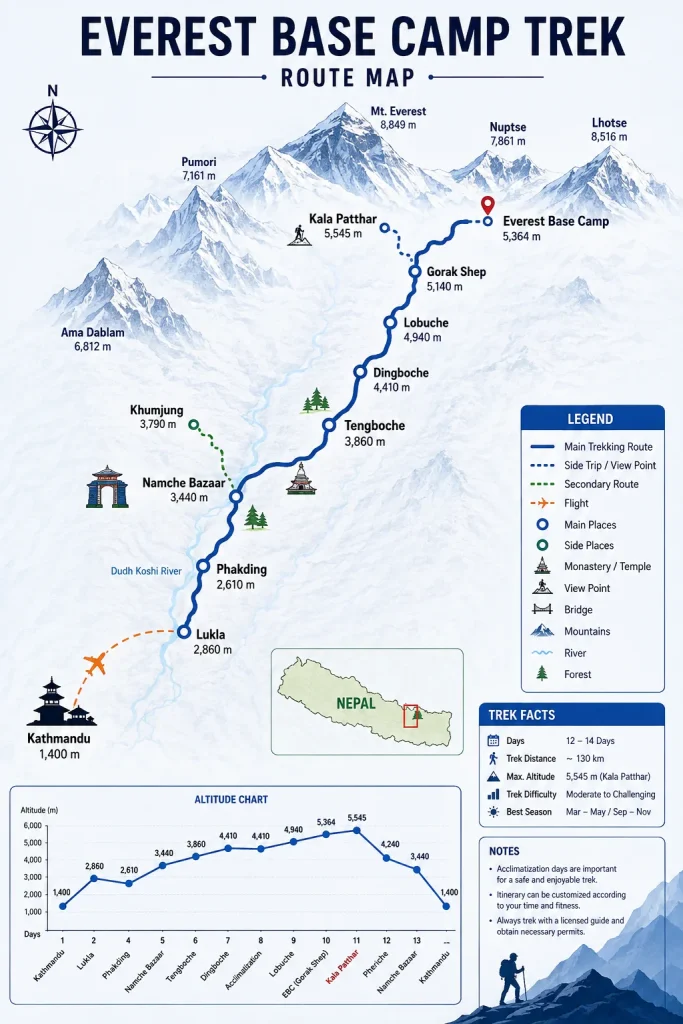
Everest Base Camp Trek – Itinerary
Day 1: Arrival in Kathmandu
Arrive in Kathmandu and transfer to your hotel. Trek briefing and preparation.
Day 2: Fly Kathmandu to Lukla and Trek to Phakding
Take a scenic flight to Lukla and trek through beautiful mountain landscapes to Phakding.
Day 3: Fly to Lukla & Trek to Phakding
Scenic flight to Lukla followed by a short trek to Phakding.
Day 4:Phakding to Namche Bazaar
Trek through beautiful forests and cross suspension bridges to reach Namche Bazaar.
Day 5: Acclimatization at Namche Bazaar
Rest and explore Namche while enjoying spectacular Himalayan views.
Day 6: Namche Bazaar to Tengboche
Trek through scenic trails to Tengboche and visit the famous monastery.
Day 7: Tengboche to Dingboche
Continue through the Imja Valley with stunning views of Ama Dablam.
Day 8: Acclimatization at Dingboche
Rest and take a short hike for better altitude acclimatization.
Day 9:Dingboche to Lobuche
Trek through the high alpine landscape toward Lobuche.
Day 10: Lobuche to Everest Base Camp & Gorak Shep
Visit Everest Base Camp and return to Gorak Shep for the night.
Day 11: Gorak Shep to Kala Patthar & Dingboche
Early morning hike to Kala Patthar for sunrise views, then descend to Dingboche.
Day 12: Dingboche to Island Peak Base Camp
Trek toward Island Peak Base Camp and prepare for the climb.
Day 13: Acclimatization & Climbing Training
Practice essential climbing techniques using crampons, ropes, harness, and ice axe.
Day 14: Base Camp to High Camp
Climb toward Island Peak High Camp and prepare for the summit attempt.
Day 15: Summit Island Peak (6,189 m) & Descend
Early morning summit attempt. Enjoy spectacular Himalayan views before descending to Base Camp.
Day 16–18: Return Trek to Lukla
Descend through the Khumbu Valley and return to Lukla.
Day 19: Fly Lukla to Kathmandu
Scenic flight back to Kathmandu and transfer to the hotel.
Day 20: Departure
Transfer to the airport for your onward journey.
Essential Information
Island Peak (6,189 m) is a challenging trekking peak in Nepal’s Everest region that requires good physical fitness, proper acclimatization, and basic mountaineering skills. The climb usually takes around 20 days, including trekking, acclimatization, climbing training, and the summit attempt. The best seasons are spring (March–May) and autumn (September–November). Climbers should be prepared for cold temperatures, high altitude, glaciers, and changing mountain weather. Essential equipment includes mountaineering boots, crampons, harness, helmet, ice axe, warm clothing, gloves, and a suitable sleeping bag. Basic climbing and glacier techniques are taught before the summit attempt. Previous high-altitude trekking experience is recommended, and comprehensive travel insurance covering high-altitude trekking and emergency evacuation is strongly advised.
Explore the Destinations

Inclusinons And Exclusion
- Airport transfers in Kathmandu.
- Hotel accommodation in Kathmandu.
- Kathmandu–Lukla–Kathmandu domestic flights.
- Experienced trekking and climbing guide.
- Island Peak climbing permit and required permits.
- Teahouse accommodation during the trek.
- Camping accommodation at Island Peak Base Camp/High Camp as required.
- Meals during the trekking and climbing period.
- Experienced porters and support staff.
- Basic climbing equipment such as ropes, ice axe, crampons, harness, and helmet.
- Camping and kitchen equipment.
- Government taxes and official charges.
- Guide and porter food, accommodation, and insurance.
- International airfare to and from Nepal.
- Nepal visa fees.
- Travel, medical, and emergency evacuation insurance.
- Personal trekking and climbing equipment.
- Extra hotel accommodation and meals in Kathmandu.
- Alcoholic, bottled, and soft drinks.
- Personal expenses and laundry.
- Tips for guides, porters, and climbing staff.
- Emergency helicopter evacuation and medical expenses.
- Expenses caused by bad weather, flight delays, or unforeseen circumstances.
- Any services not specifically mentioned in the inclusion section.