



Trip Highlights
- Explore the remote and spectacular Dolpo region
- Visit the stunning Phoksundo Lake (3,611 m)
- Trek through Shey Phoksundo National Park
- Experience traditional Tibetan-influenced villages and culture
- Discover ancient Buddhist and Bon monasteries
- Cross challenging high mountain passes
- Enjoy breathtaking views of the Dhaulagiri and Kanjiroba ranges
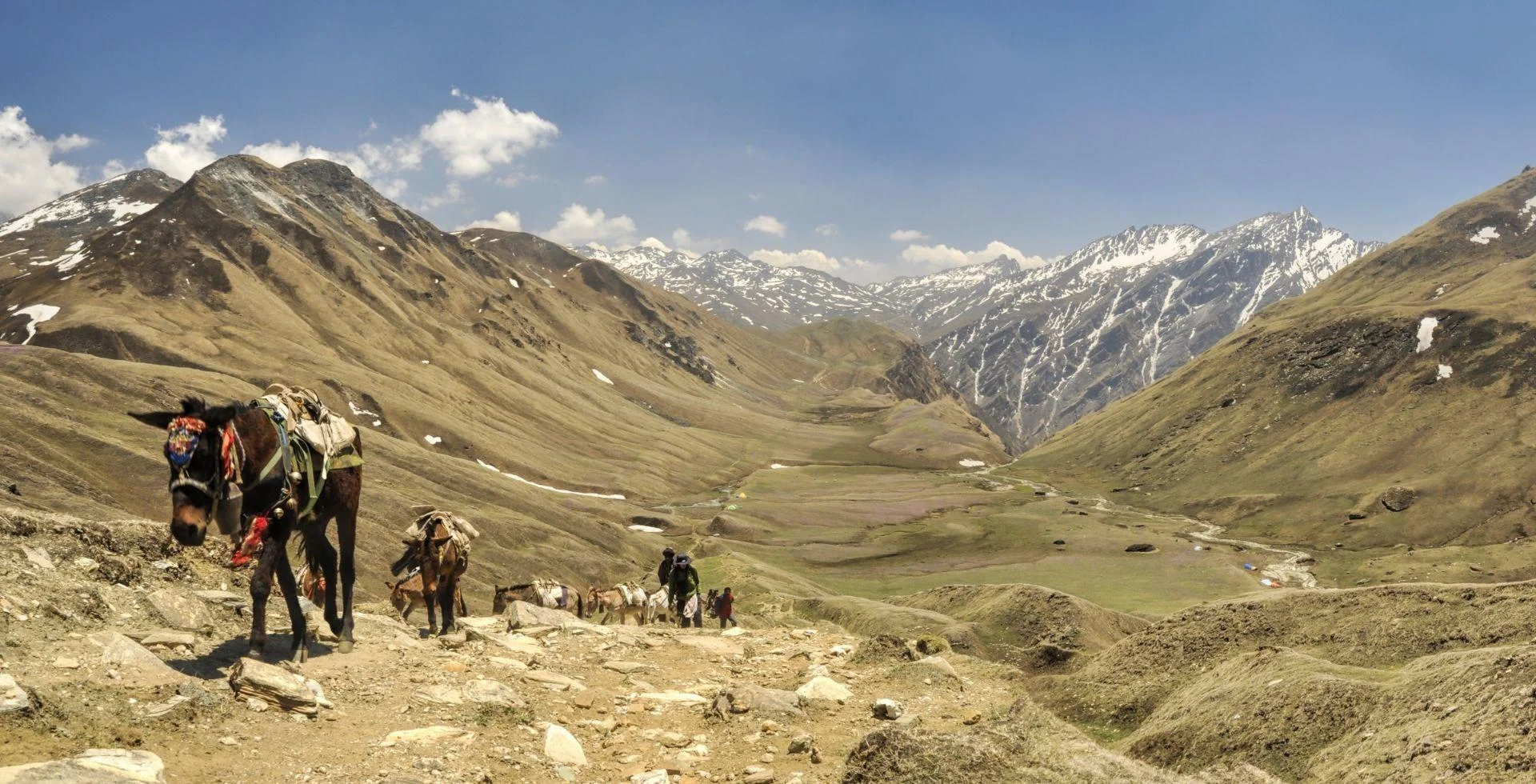
- Explore pristine forests, deep valleys, waterfalls, and remote landscapes
- Enjoy one of Nepal’s most adventurous and off-the-beaten-path treks
Overview
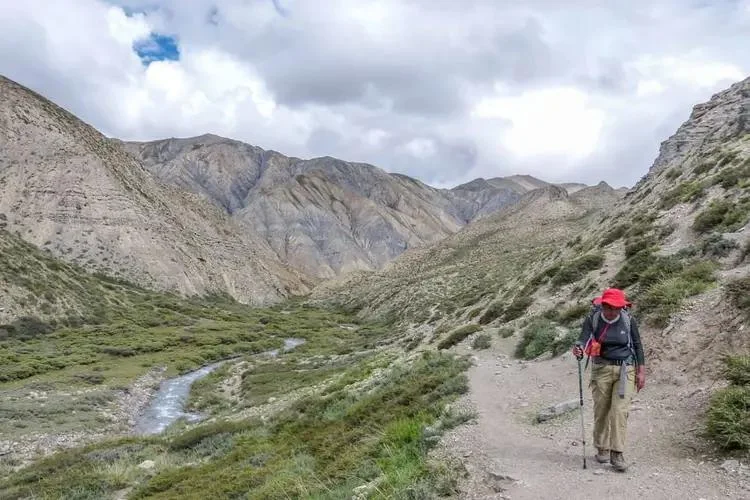
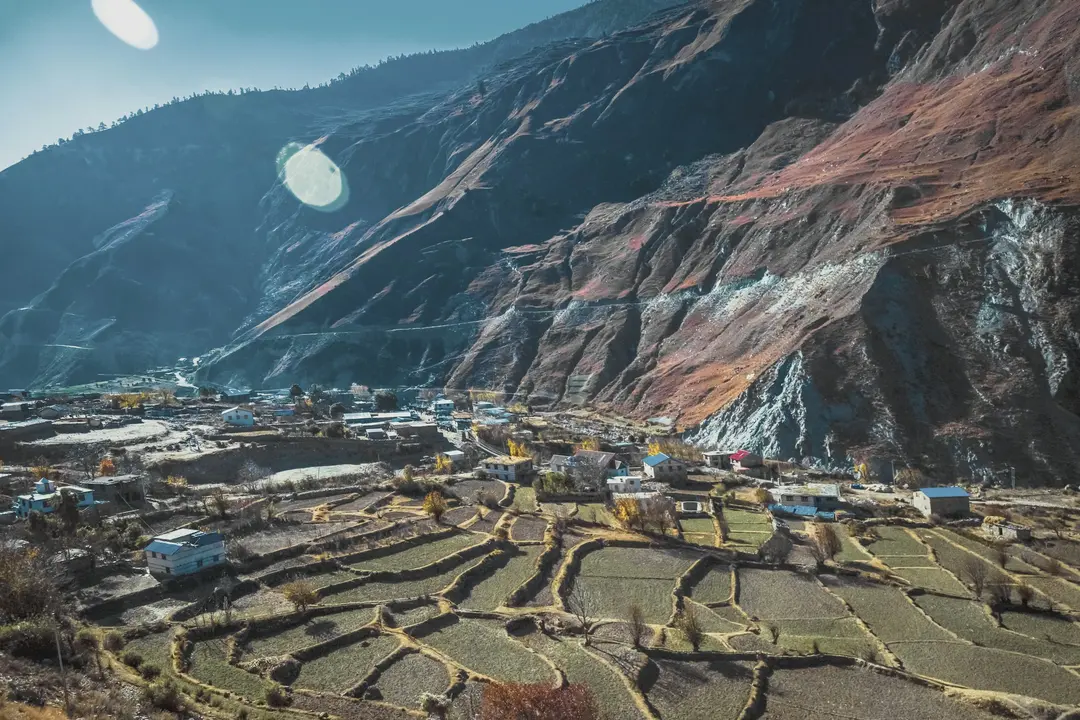
The Lower Dolpo Trek is one of Nepal’s most remote and spectacular trekking adventures, taking you deep into the isolated landscapes of western Nepal. The trek offers a unique combination of rugged Himalayan mountains, ancient Tibetan Buddhist culture, traditional villages, and pristine alpine landscapes. Trekkers cross high mountain passes, explore the beautiful Phoksundo Lake, and experience the distinctive culture of the Dolpo region.
The trail passes through the Shey Phoksundo National Park, Nepal’s largest national park, where you can encounter rare wildlife such as the Himalayan blue sheep, musk deer, and possibly the elusive snow leopard. With its dramatic valleys, turquoise lakes, waterfalls, ancient monasteries, and remote settlements, the Lower Dolpo Trek is ideal for adventurous trekkers seeking an authentic Himalayan experience away from the more crowded trekking routes.
Place You will Visit
1. Juphal
The main gateway to the Lower Dolpo region and starting point of the trek.
2. Dunai
A scenic mountain town and administrative center of Dolpo.
3. Tarakoṭ
A traditional Dolpo village surrounded by beautiful Himalayan landscapes.
4. Dho Tarap
A culturally rich high-altitude valley with traditional Tibetan Buddhist communities.
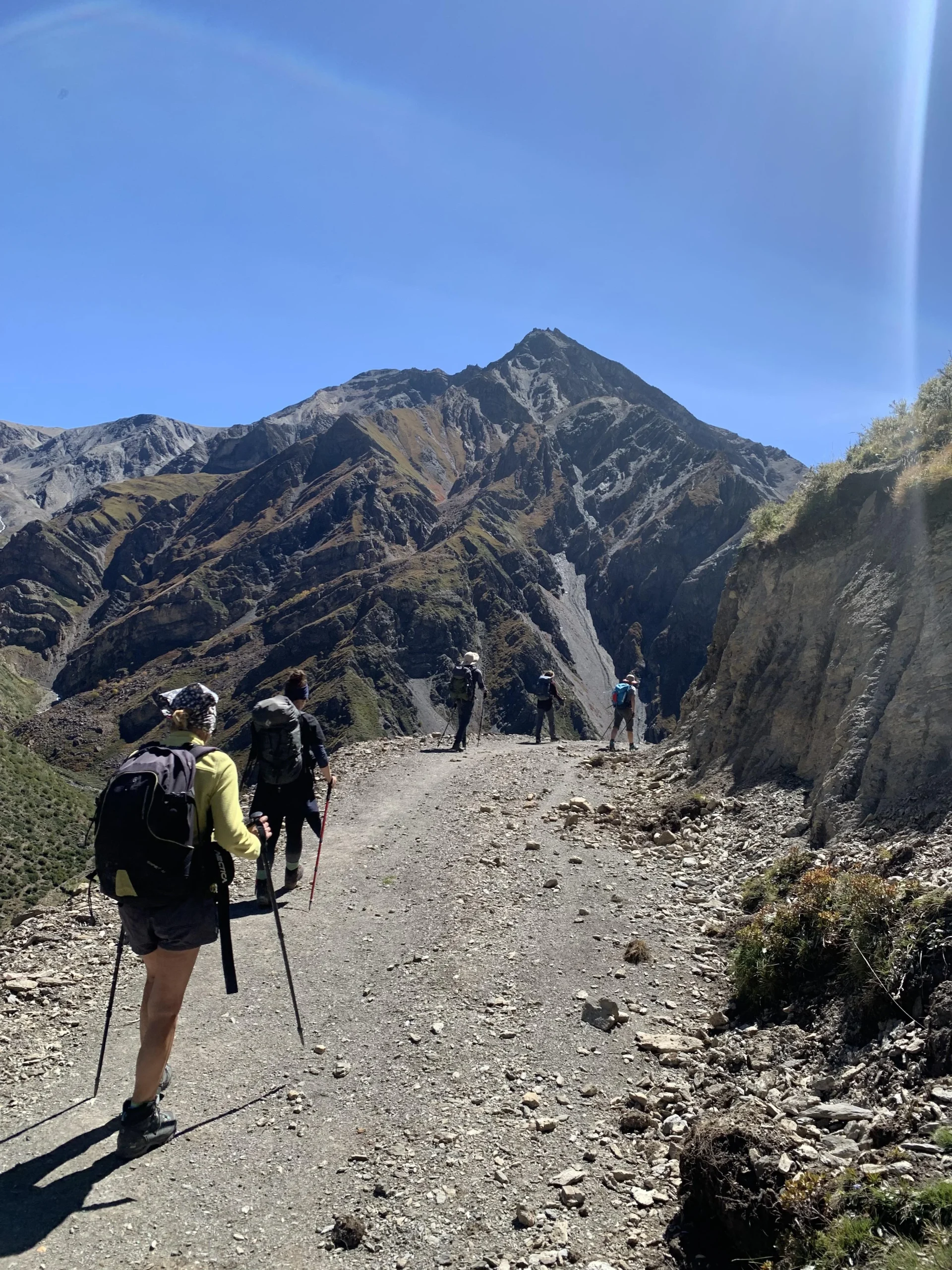
5. Numa La Pass
A challenging high mountain pass offering spectacular Himalayan views.
6. Baga La Pass
Another impressive pass with panoramic views of the surrounding peaks.
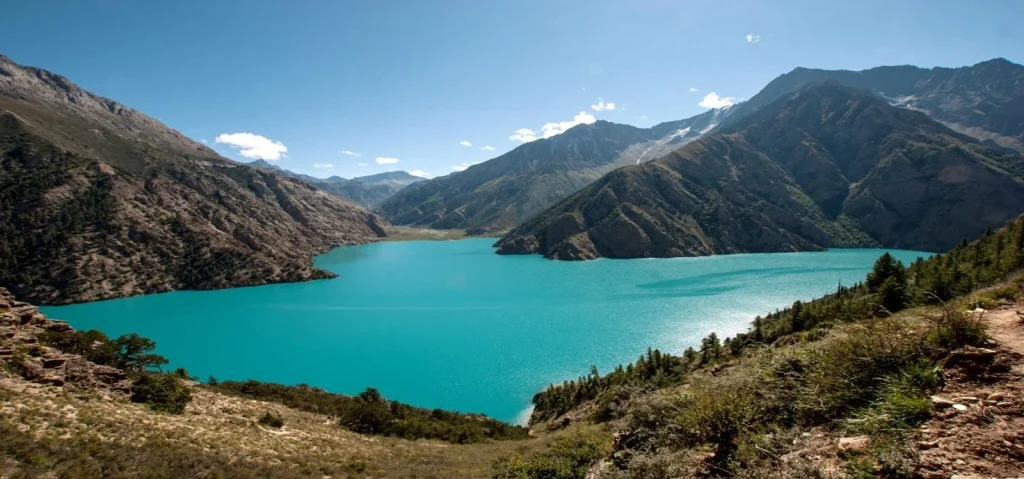
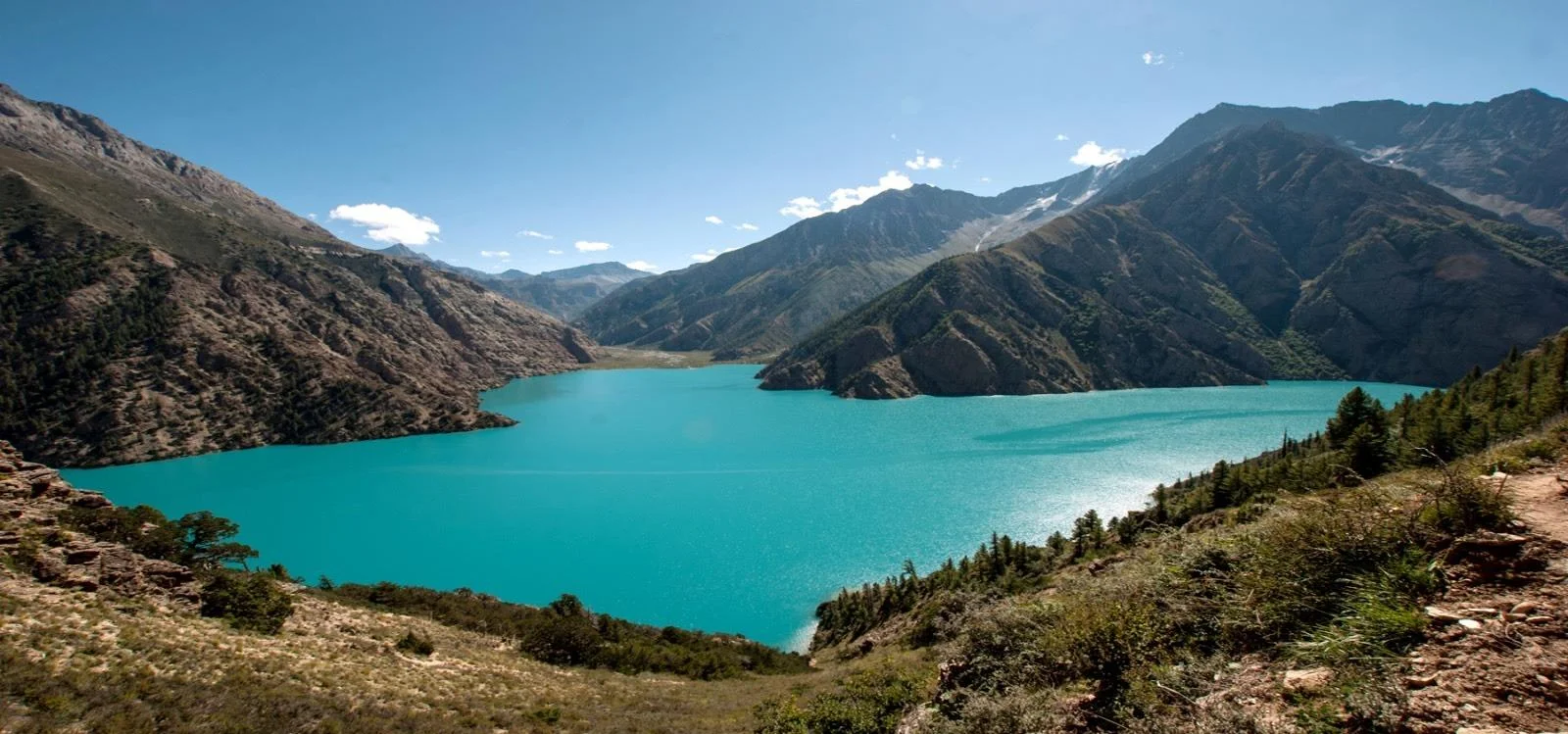
7. Phoksundo Lake
A stunning turquoise alpine lake and one of the main highlights of the trek.
8. Ringmo Village
A traditional Tibetan-style village located near Phoksundo Lake.
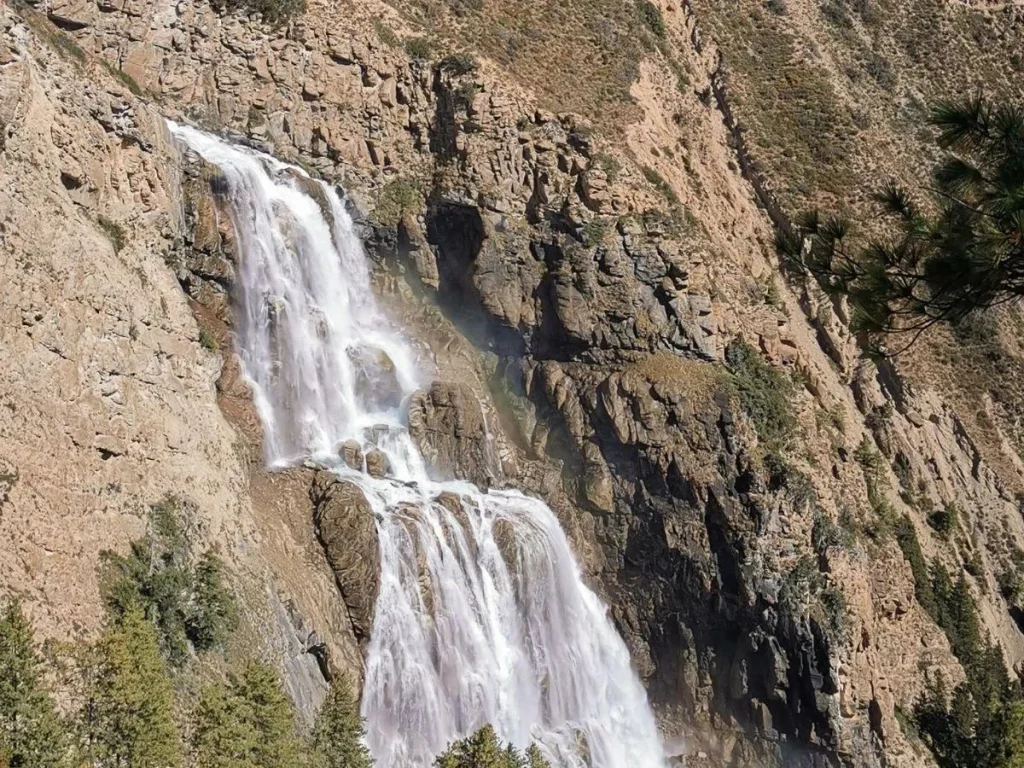
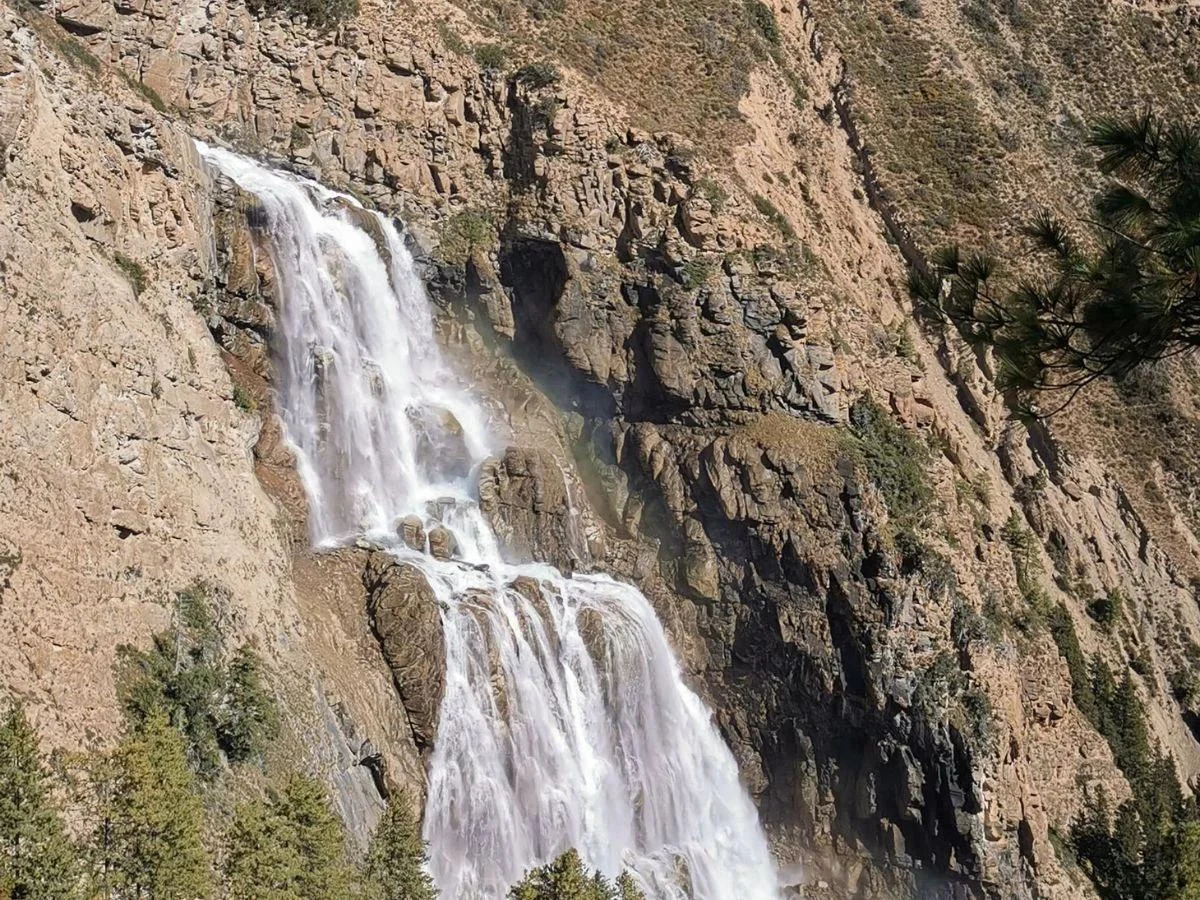
9. Phoksundo Waterfall
A spectacular waterfall flowing from the Phoksundo Lake area.
10. Shey Phoksundo National Park
A protected Himalayan wilderness known for its unique landscapes and rare wildlife.
Lower Dolpo Trek – Itinerary
Day 1: Arrival in Kathmandu
Arrive in Kathmandu and transfer to your hotel. Preparation and trek briefing.
Day 2: Fly Kathmandu to Nepalgunj
Take a flight to Nepalgunj and spend the night preparing for the trek.
Day 3: Fly Nepalgunj to Juphal and Trek to Dunai
Fly to Juphal and begin trekking toward Dunai through beautiful mountain scenery.
Day 4: Dunai to Tarakot
Follow the Bheri River through narrow valleys and traditional villages to Tarakot.
Day 5: Tarakot to Khani Gaon
Continue along the valley, passing through forests, streams, and remote settlements.
Day 6: Khani Gaon to Tarap Khola
Trek through rugged landscapes and gradually gain altitude toward the Tarap Valley.
Day 7: Tarap Khola to Dho Tarap
Reach the beautiful Dho Tarap Valley, known for its traditional Tibetan culture and monasteries.
Day 8: Acclimatization at Dho Tarap
Rest and explore the surrounding villages, monasteries, and unique Dolpo culture.
Day 9: Dho Tarap to Numa La Base Camp
Trek toward the base camp of Numa La, crossing increasingly rugged high-altitude terrain.
Day 10: Cross Numa La Pass and Trek to Pelung Tang
Cross the challenging Numa La Pass and enjoy spectacular views of the surrounding mountains.
Day 11: Cross Baga La Pass and Trek to Yak Kharka
Cross Baga La Pass and descend toward Yak Kharka through dramatic Himalayan landscapes.
Day 12: Yak Kharka to Phoksundo Lake
Continue toward the magnificent turquoise Phoksundo Lake.
Day 13: Explore Phoksundo Lake and Ringmo Village
Explore the lake, Ringmo village, ancient monasteries, and the famous Phoksundo Waterfall.
Day 14: Phoksundo Lake to Shyanta
Begin the return journey, descending through forests and mountain trails.
Day 15: Shyanta to Juphal
Continue trekking toward Juphal and prepare for the flight out.
Day 16: Fly Juphal to Nepalgunj and Kathmandu
Fly back to Nepalgunj and continue to Kathmandu.
Day 17: Departure from Kathmandu
Transfer to the airport for your onward journey or international departure.
Essential Information
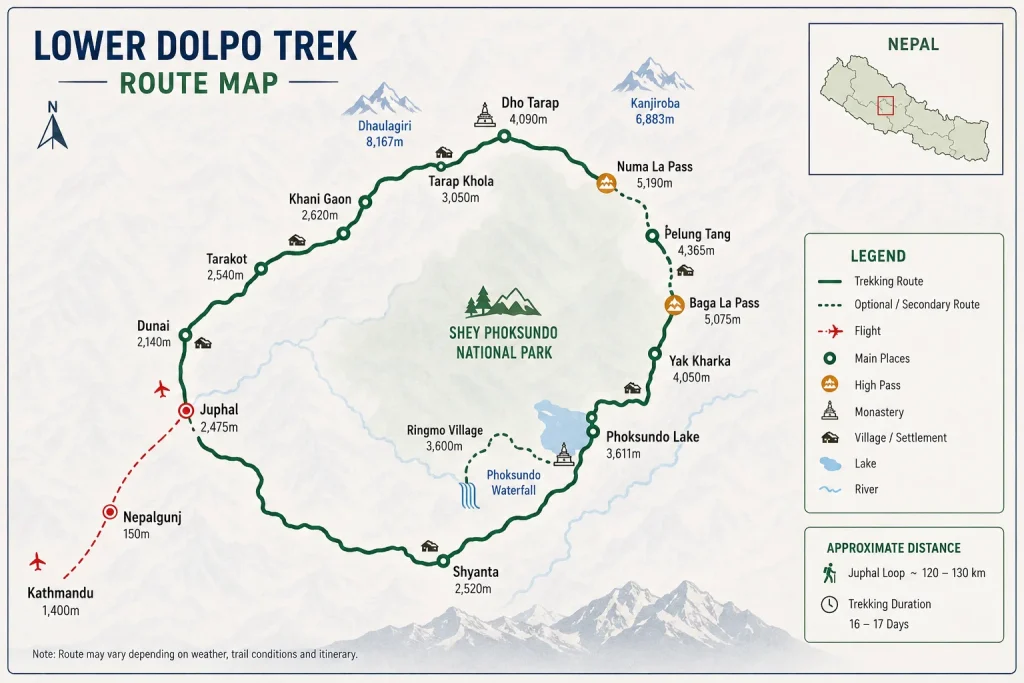
The Lower Dolpo Trek is a challenging and remote Himalayan adventure in western Nepal, best suited for experienced trekkers. The trek generally takes around 16–17 days and reaches high altitudes, including Numa La Pass (5,190 m) and Baga La Pass (5,075 m). The route passes through Shey Phoksundo National Park, traditional Dolpo villages, ancient monasteries, and the spectacular Phoksundo Lake (3,611 m).
Trekkers should be prepared for long walking days, rugged trails, limited facilities, and rapidly changing mountain weather. Good physical fitness, proper acclimatization, warm clothing, trekking equipment, and a licensed guide are essential. Since Lower Dolpo is a restricted and remote trekking region, the necessary trekking permits and conservation-area/national-park permits must be arranged before starting the trek.
Explore the Destinations
Inclusinons And Exclusion
- Airport pickup and drop-off by private vehicle.
- Kathmandu hotel accommodation with breakfast.
- Teahouse and camping accommodation during the trek.
- Breakfast, lunch, and dinner throughout the trek.
- Experienced, licensed trekking guide and support staff.
- Porters and their salary, food, accommodation, and insurance.
- Shey Phoksundo National Park entry permit.
- Lower Dolpo Restricted Area Permit.
- TIMS card and required local permits.
- Domestic flights between Kathmandu and Nepalgunj/Dolpo region as per itinerary.
- Camping equipment, kitchen staff, and necessary trekking gear.
- Basic first-aid kit and necessary staff equipment.
- Government taxes and service charges.
- International flights and Nepal visa fees.
- Travel and medical insurance.
- Personal trekking equipment and clothing.
- Personal expenses such as laundry, Wi-Fi, phone calls, and charging.
- Extra beverages, snacks, and hot showers.
- Emergency evacuation and rescue costs.
- Tips for guides, porters, and drivers.
- Extra accommodation or meals due to delays, weather, illness, or unforeseen circumstances.
- Any expenses not specifically mentioned under the inclusions.
