


Trip Highlights
- Reach Kala Patthar at 5,545 m, one of the best viewpoints of Mount Everest.
- Witness a spectacular sunrise over Mount Everest and the Himalayan peaks.
- Enjoy panoramic views of Everest, Lhotse, Nuptse, Pumori, and Ama Dablam.
- Trek through the scenic Khumbu Valley and Sagarmatha National Park.
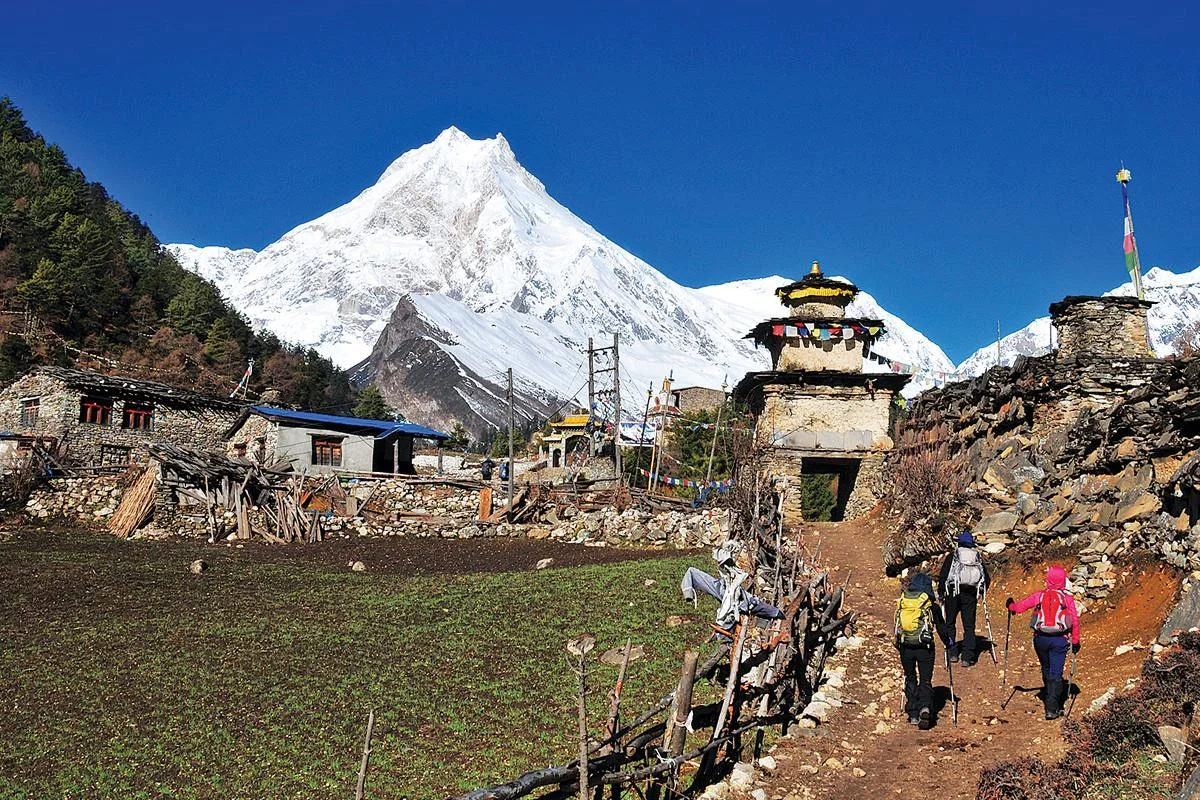
- Experience authentic Sherpa culture and traditional mountain villages.
- Visit ancient Buddhist monasteries, including the famous Tengboche Monastery.
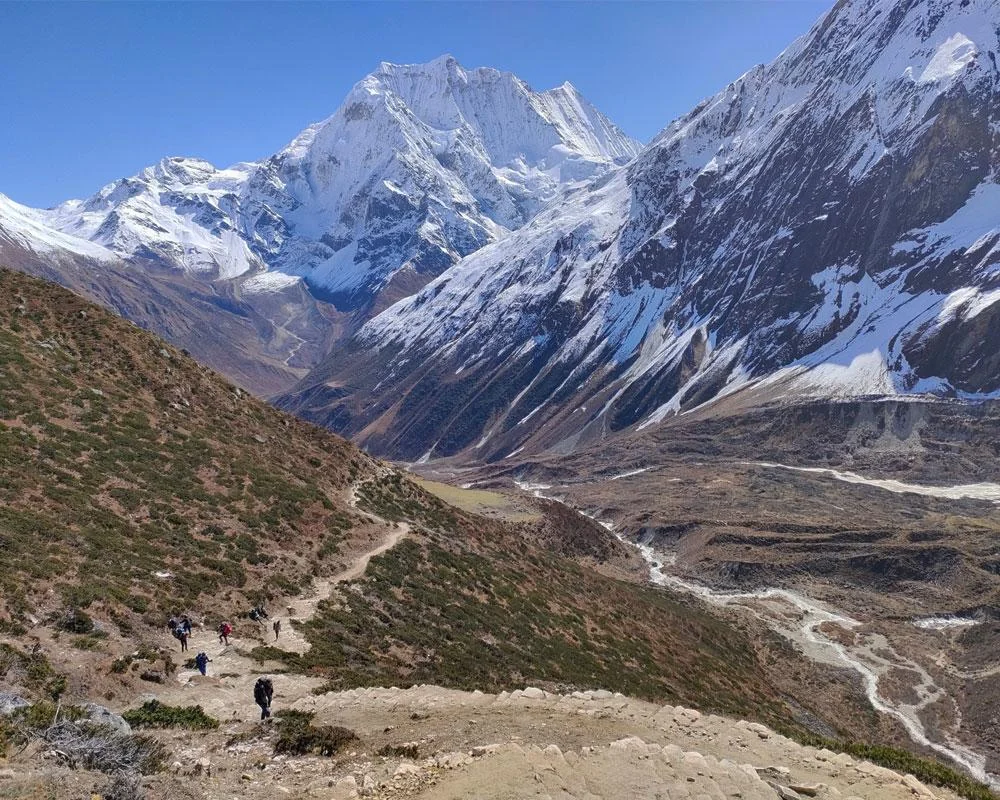
- Explore the dramatic glacial landscapes and high-altitude terrain.
- Capture unforgettable views from one of the most iconic Everest viewpoints.

Overview
The Kala Patthar Trek is a spectacular Himalayan adventure in Nepal’s Khumbu region, renowned for its breathtaking views of Mount Everest and surrounding peaks. Standing at approximately 5,545 m, Kala Patthar is one of the most popular viewpoints in the Everest region and provides an incredible close-up panorama of Everest, Nuptse, Lhotse, Pumori, and Ama Dablam.
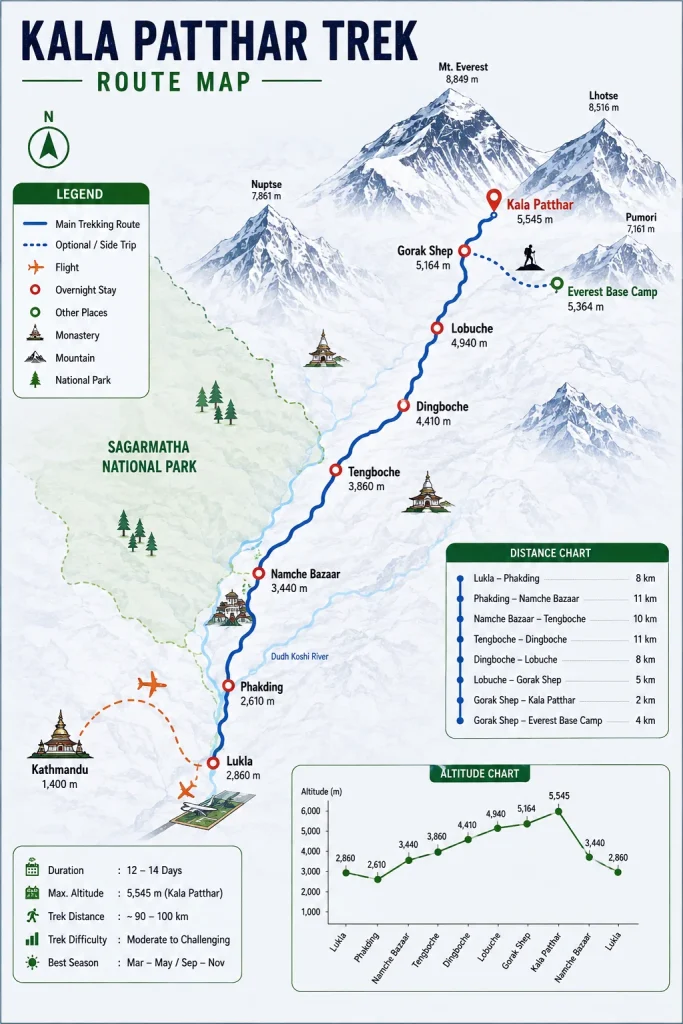
The trek follows the classic Everest trail through Lukla, Phakding, Namche Bazaar, Tengboche, Dingboche, Lobuche, and Gorak Shep before making the early-morning climb to Kala Patthar. Along the way, trekkers experience beautiful Sherpa villages, Buddhist monasteries, suspension bridges, glaciers, and the dramatic landscapes of Sagarmatha National Park. The sunrise from Kala Patthar is the major highlight of this unforgettable Himalayan journey.

Place You will Visit
1. Lukla
The gateway to the Everest region and starting point of the trek.
2. Phakding
A peaceful village along the Dudh Koshi River.
3. Namche Bazaar
The famous Sherpa town and an important acclimatization stop.
4. Tengboche
Home to the renowned Tengboche Monastery with stunning mountain views.
5. Dingboche
A beautiful high-altitude village surrounded by Himalayan peaks.
6. Lobuche
A remote settlement on the trail toward Gorak Shep.
7. Gorak Shep
The final settlement before Kala Patthar and Everest Base Camp.
8. Kala Patthar (5,545 m)
The main destination, famous for spectacular sunrise views of Mount Everest.
9. Everest Base Camp (5,364 m)
A major highlight of the route, located at the foot of Mount Everest.
10. Sagarmatha National Park
A UNESCO World Heritage Site featuring dramatic Himalayan landscapes and diverse wildlife.
Kala Patthar Treak – Itinerary
Day 1: Arrival in Kathmandu
Arrive in Kathmandu, transfer to your hotel, and attend a trek briefing.
Day 2: Fly Kathmandu to Lukla and Trek to Phakding
Take a scenic flight to Lukla and trek through beautiful mountain landscapes to Phakding.
Day 3: Phakding to Namche Bazaar
Trek along the Dudh Koshi River, crossing suspension bridges and entering Sagarmatha National Park before reaching Namche Bazaar.
Day 4: Acclimatization at Namche Bazaar
Rest and explore Namche Bazaar. Enjoy panoramic views of Everest, Ama Dablam, and Thamserku.
Day 5: Namche Bazaar to Tengboche
Walk through rhododendron forests and mountain trails to Tengboche. Visit the famous Tengboche Monastery.
Day 6: Tengboche to Dingboche
Continue through traditional Sherpa settlements and alpine landscapes to Dingboche.
Day 7: Acclimatization at Dingboche
Take a short hike around Dingboche and enjoy views of the surrounding Himalayan peaks.
Day 8: Dingboche to Lobuche
Trek through the Khumbu Valley toward Lobuche, passing memorials and glacial landscapes.
Day 9: Lobuche to Gorak Shep
Continue to Gorak Shep and explore the surrounding high-altitude landscape.
Day 10: Gorak Shep to Kala Patthar and Pheriche
Wake early and hike to Kala Patthar (5,545 m) for spectacular sunrise views of Everest. Descend to Pheriche.
Day 11: Pheriche to Namche Bazaar
Descend through Tengboche and continue along the Dudh Koshi Valley to Namche Bazaar.
Day 12: Namche Bazaar to Lukla
Complete the final trekking section and return to Lukla.
Day 13: Fly Lukla to Kathmandu
Take a scenic flight back to Kathmandu and transfer to your hotel.
Day 14: Departure from Kathmandu
Transfer to the airport for your onward journey.
Essential Information
The Kala Patthar Trek is a challenging high-altitude trek in Nepal’s Khumbu region, reaching a maximum elevation of approximately 5,545 m. The trek follows the Everest trail through Lukla, Namche Bazaar, Tengboche, Dingboche, Lobuche, and Gorak Shep before ascending Kala Patthar.
The trek generally takes 12–14 days and requires good physical fitness and proper acclimatization. The main highlight is the early-morning hike to Kala Patthar, offering spectacular views of Mount Everest, Lhotse, Nuptse, Pumori, and Ama Dablam. Trekkers should carry warm clothing, sturdy trekking shoes, a sleeping bag, sunscreen, water bottles, personal medicines, and basic first-aid supplies. Proper permits and necessary local arrangements should be completed before starting the trek.
Explore the Destinations
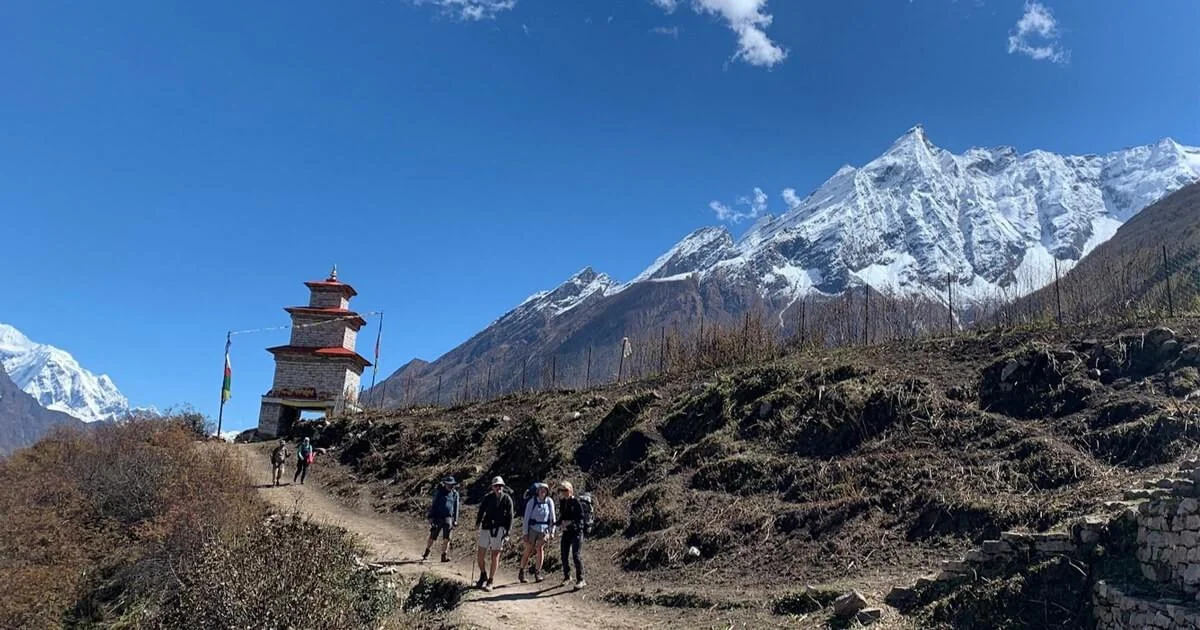
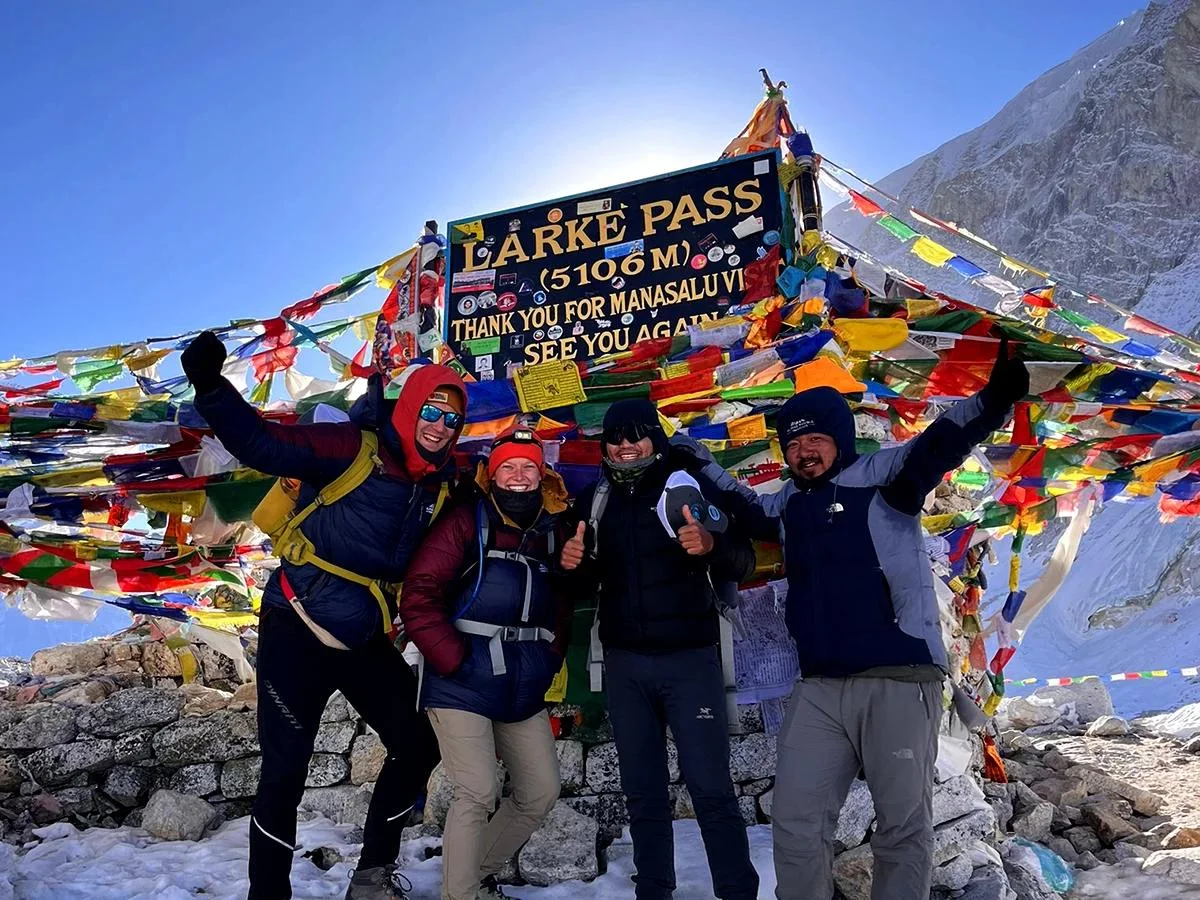
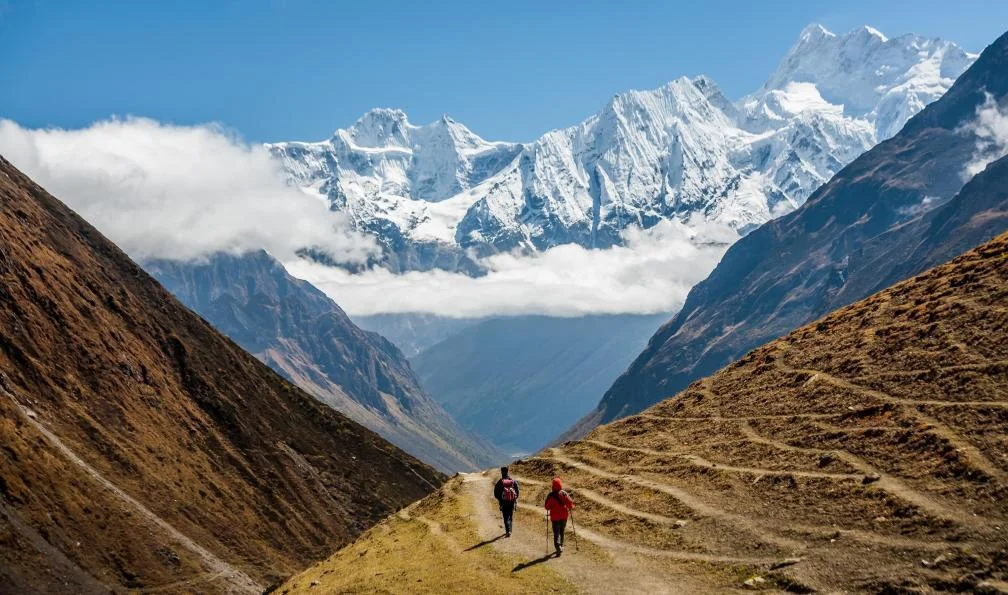
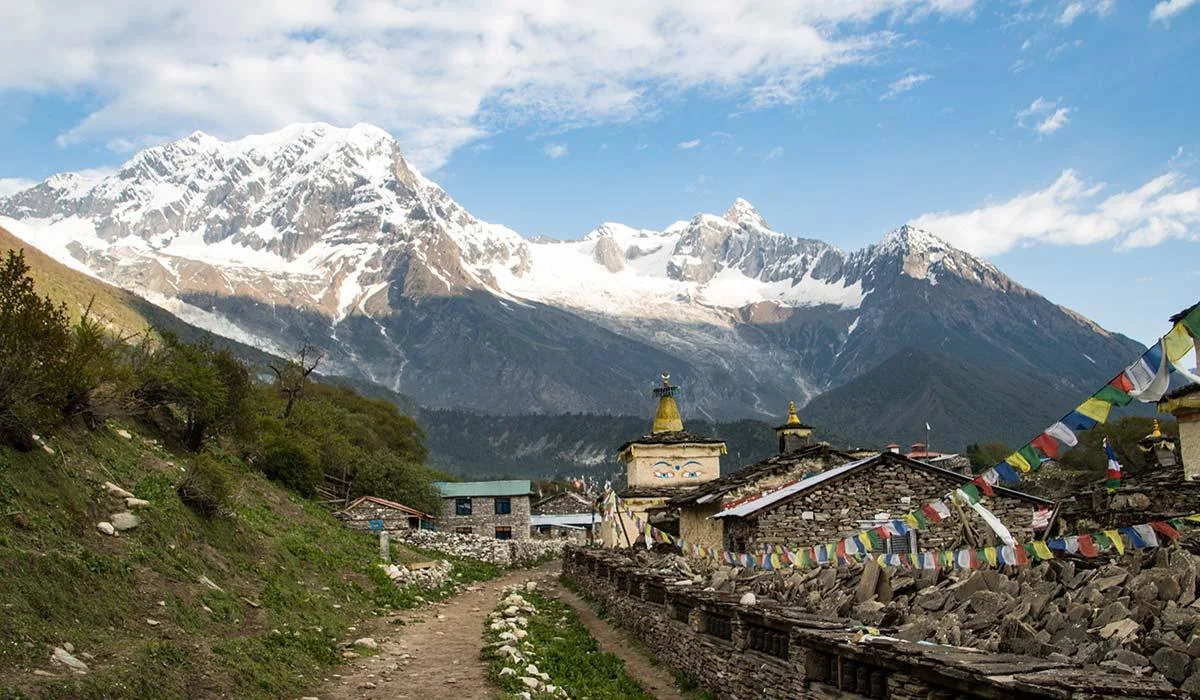
Inclusinons And Exclusion
- Airport pickup and drop-off by private vehicle.
- Kathmandu hotel accommodation with breakfast.
- Domestic flights between Kathmandu and Lukla.
- Teahouse/lodge accommodation during the trek.
- Breakfast, lunch, and dinner during the trekking period.
- Experienced, licensed English-speaking trekking guide.
- Porter service with necessary staff expenses.
- Everest National Park entry permit.
- Local trekking permits and government fees.
- Guide and porter wages, meals, accommodation, and insurance.
- Basic first-aid kit and necessary trekking equipment for staff.
- Government taxes and company service charges.
- International airfare and Nepal visa fees.
- Travel, medical, and rescue/evacuation insurance.
- Personal trekking equipment and clothing.
- Personal expenses such as Wi-Fi, laundry, charging, and hot showers.
- Alcoholic and bottled beverages.
- Extra accommodation and meals in Kathmandu.
- Tips for guides, porters, and drivers.
- Emergency evacuation and rescue costs.
- Expenses caused by flight delays, cancellations, bad weather, or natural disasters.
- Any services not mentioned under the inclusions.