



Trip Highlights
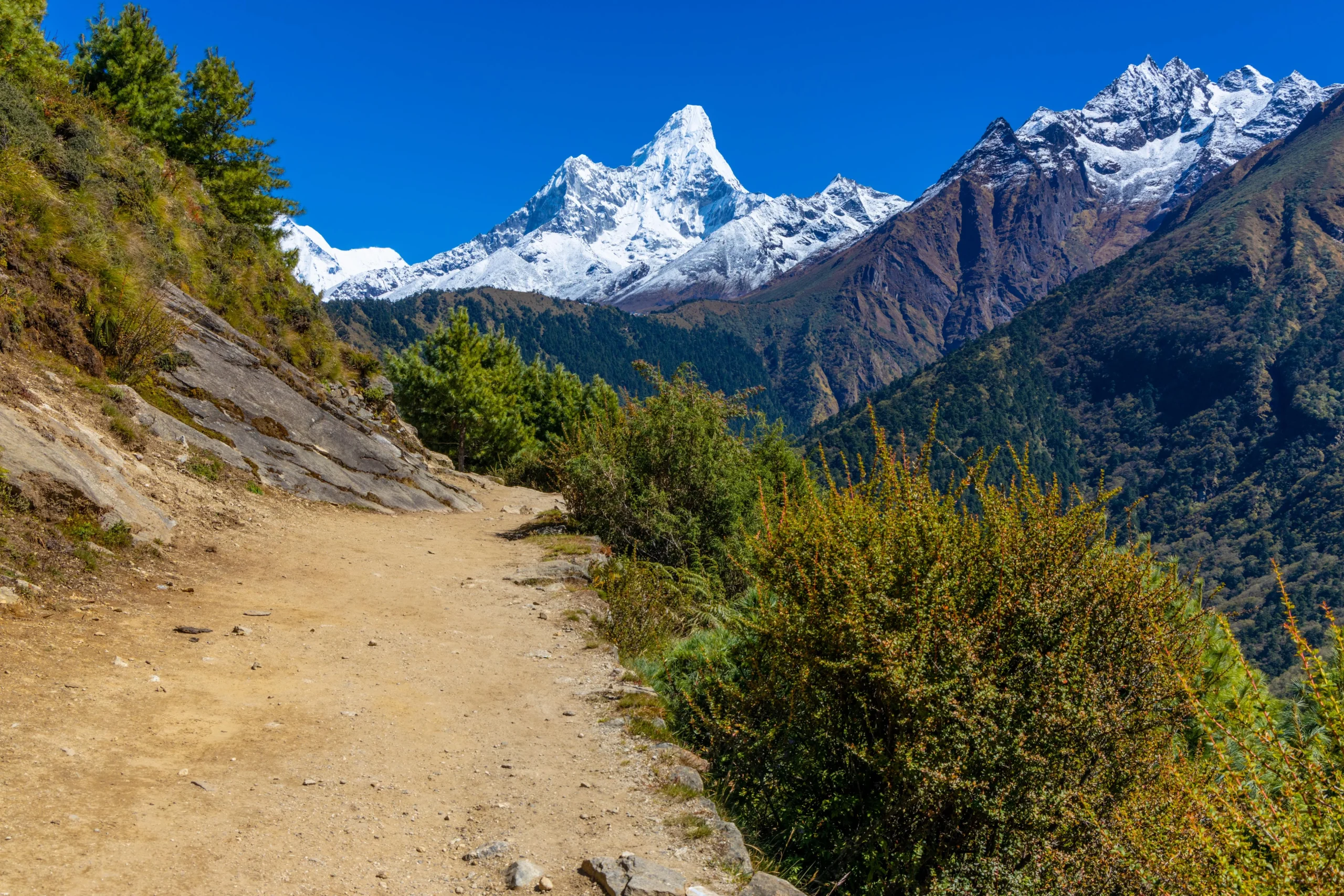
- Spectacular views of Mt. Ama Dablam (6,812 m)
- Panoramic views of Everest, Lhotse, Nuptse and Thamserku
- Explore traditional Sherpa villages
- Visit ancient Buddhist monasteries
- Walk through Sagarmatha National Park
- Experience the beautiful Khumbu Valley
- Excellent opportunities for mountain photography
- Enjoy sunrise and sunset views over the Himalayas
Overview
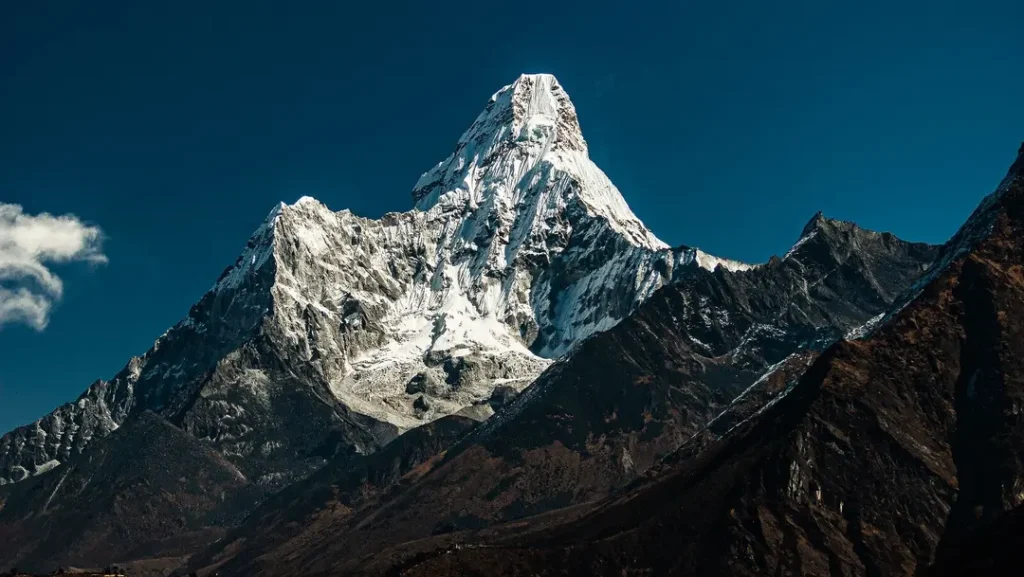
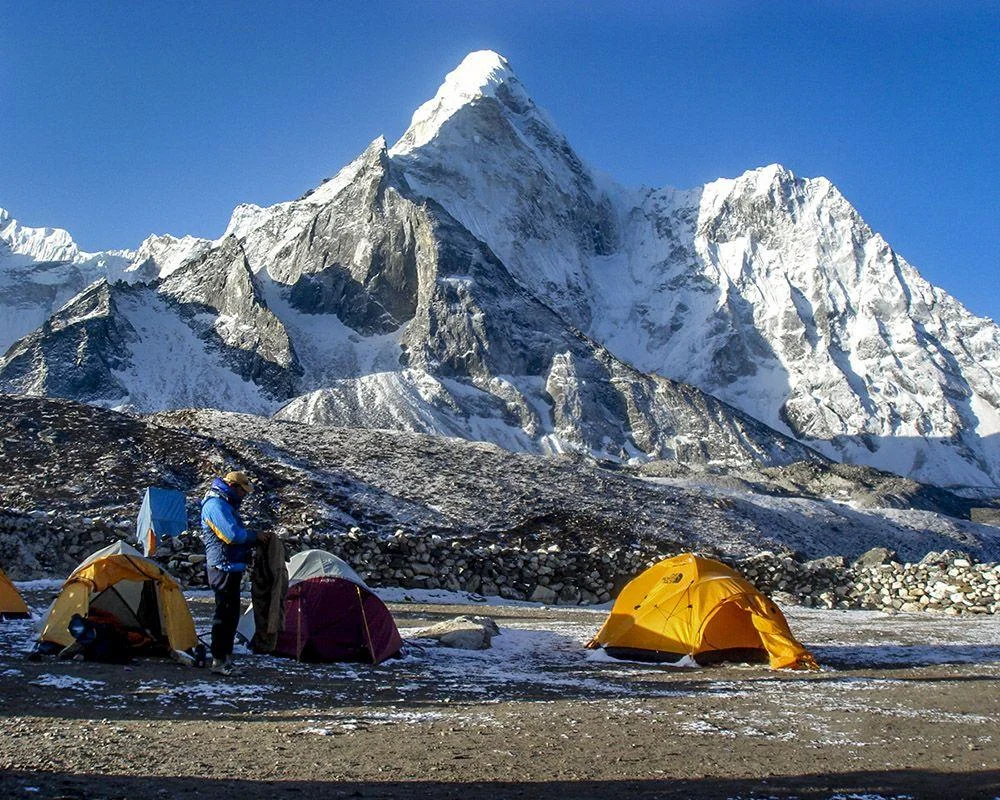
Mt. Ama Dablam Trekking is one of the most spectacular adventures in Nepal’s Everest region, taking trekkers deep into the breathtaking Khumbu Valley and close to the magnificent Mt. Ama Dablam (6,812 m). Known for its distinctive pyramid-shaped summit and dramatic ridges, Ama Dablam is considered one of the most beautiful mountains in the Himalayas.
The journey begins with a scenic flight to Lukla and continues through charming Sherpa settlements, peaceful mountain trails, rhododendron and pine forests, suspension bridges, and spectacular alpine landscapes. As you gain altitude, the scenery becomes increasingly dramatic, with magnificent views of Mt. Everest, Lhotse, Nuptse, Thamserku, Kangtega, and Ama Dablam.

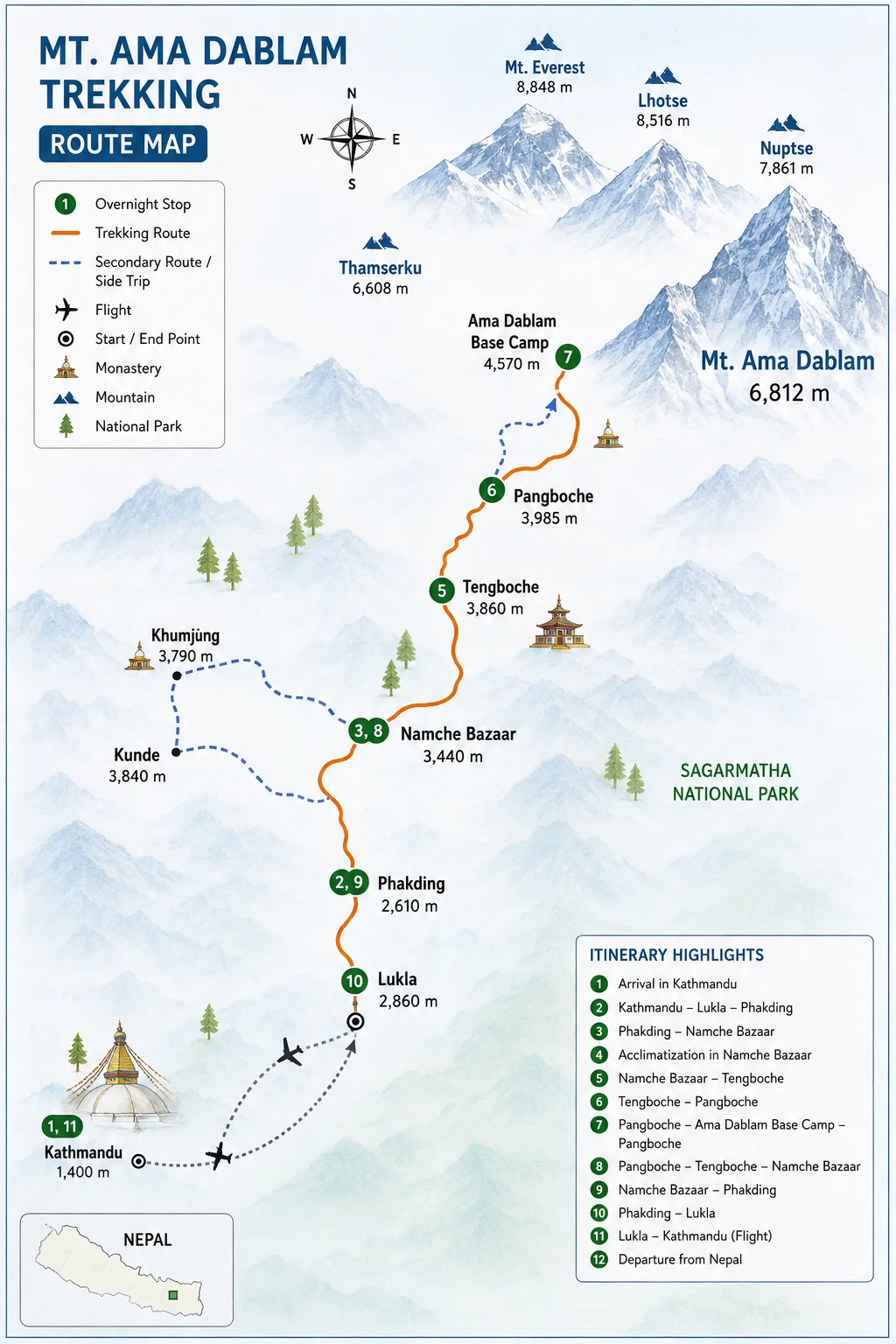
Mt. Ama Dablam Trekking Itinerary
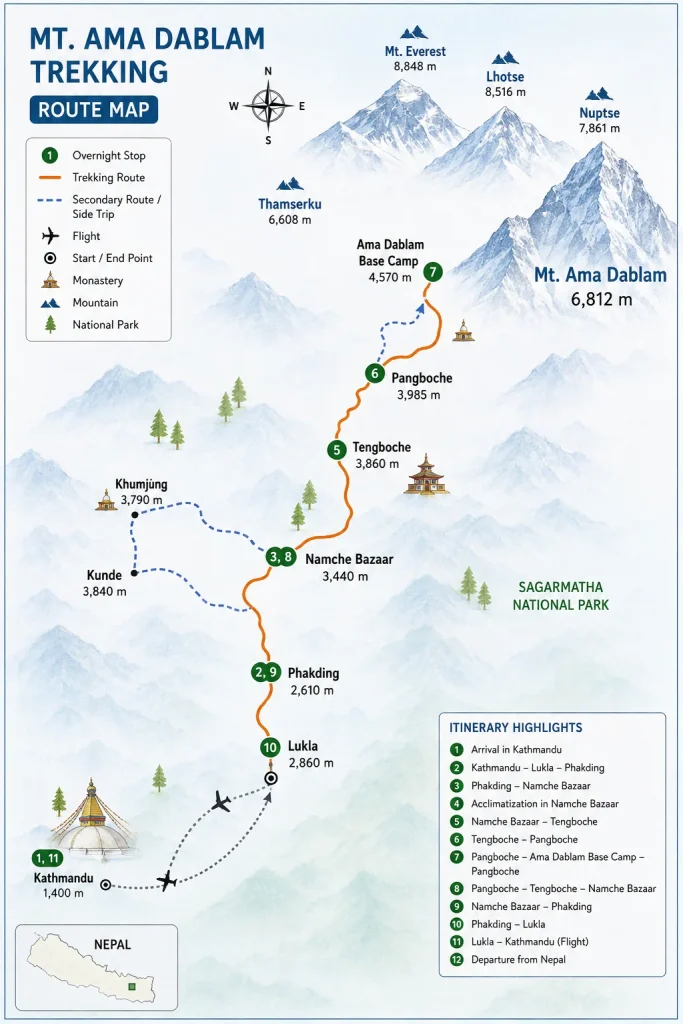
Day 01: Arrival in Kathmandu
Arrive in Kathmandu and transfer to your hotel. Meet your trekking team and prepare for the adventure
Day 02: Kathmandu – Lukla – Phakding
Take an early scenic flight to Lukla and begin trekking through beautiful mountain landscapes to Phakding.
Day 03: Phakding – Namche Bazaar
Cross suspension bridges and walk through pine forests toward Namche Bazaar, the main trading center of the Khumbu region.
Day 04: Acclimatization Day in Namche Bazaar
Take a rest day to acclimatize. Explore Namche Bazaar and enjoy spectacular views of Everest and surrounding peaks.
Day 05: Namche Bazaar – Tengboche
Trek through beautiful trails with panoramic Himalayan views before reaching Tengboche and its famous Buddhist monastery.
Day 06: Tengboche – Pangboche
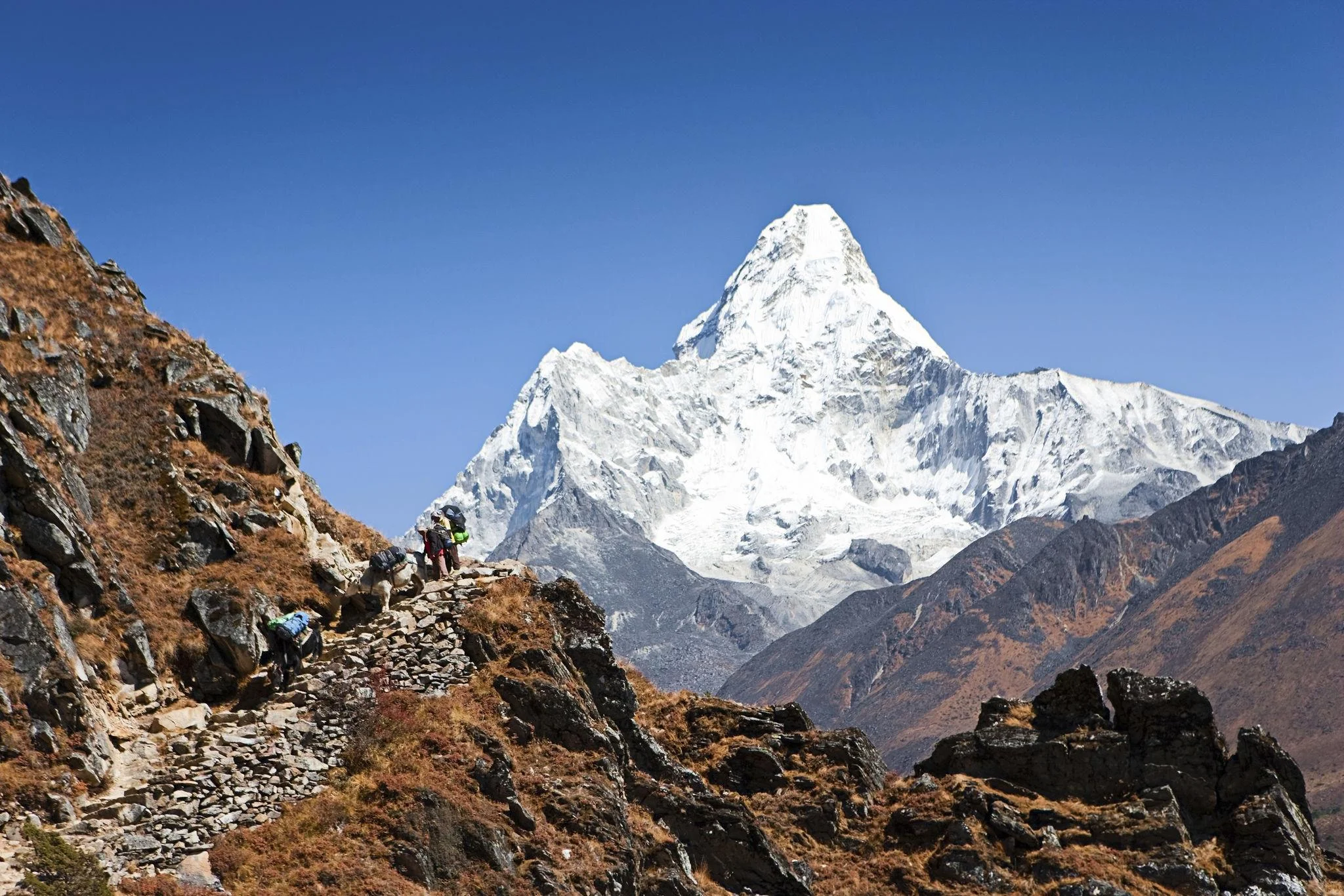
Continue through alpine landscapes and traditional Sherpa settlements toward Pangboche, enjoying magnificent views of Ama Dablam.
Day 07: Pangboche – Ama Dablam Base Camp – Pangboche
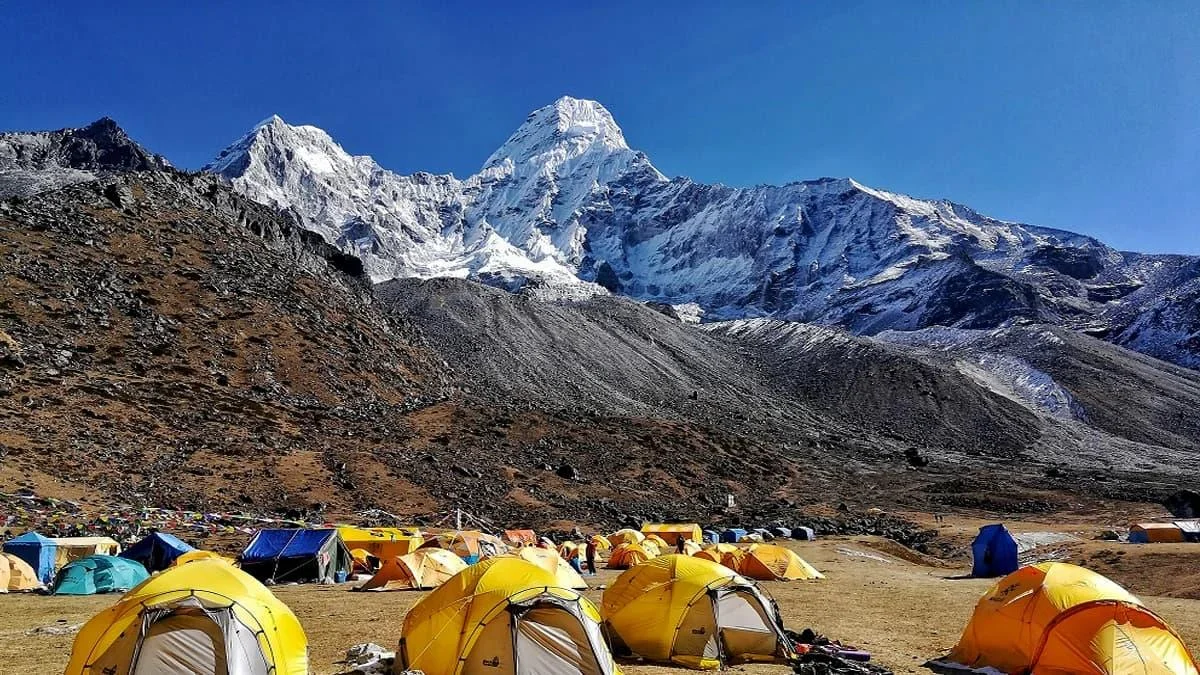
Trek toward the Ama Dablam Base Camp area for close-up views of the spectacular mountain. Return to Pangboche for an overnight stay.
Day 08: Pangboche – Tengboche – Namche Bazaar
Trek toward the Ama Dablam Base Camp area for close-up views of the spectacular mountain. Return to Pangboche for an overnight stay.
Day 09: Namche Bazaar – Phakding
Continue descending through forests, villages, and suspension bridges to Phakding.
Day 10: Phakding – Lukla
Complete the final section of the trek and return to Lukla.
Day 11: Lukla – Kathmandu
Take a scenic morning flight from Lukla back to Kathmandu. Enjoy the rest of the day at leisure.
Day 12: Departure from Nepal
Transfer to the airport for your onward journey, marking the end of your Mt. Ama Dablam Trekking adventure.
Essential Information
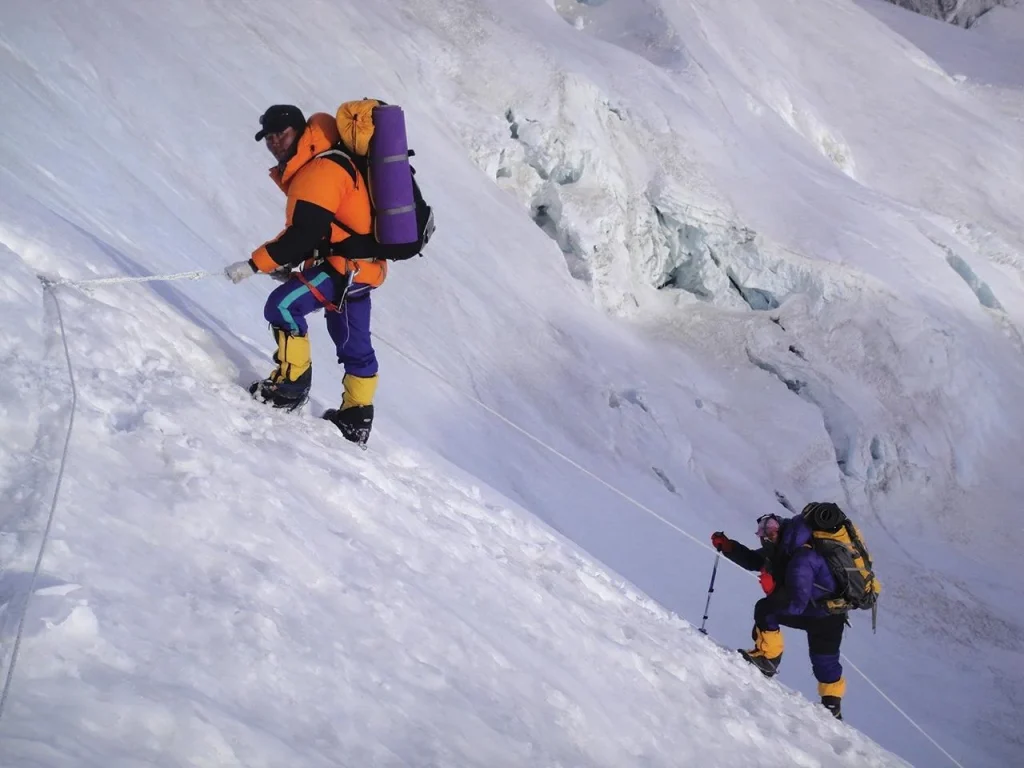
Mt. Ama Dablam Trekking is a moderate to challenging high-altitude trek in Nepal’s Everest region. The trek reaches approximately 4,570 m at Ama Dablam Base Camp and requires good physical fitness and proper acclimatization. The best seasons are spring (March–May) and autumn (September–November), when the weather is generally stable and mountain views are clear. Trekkers should carry warm and waterproof clothing, comfortable trekking boots, a sleeping bag, sunglasses, sunscreen, a water bottle, basic medicines, and personal essentials. The route passes through Sagarmatha National Park, and trekkers need the required permits. Due to the altitude, walking slowly, staying hydrated, and allowing adequate acclimatization are important. Experienced guides and porters are recommended for a safer and more comfortable journey.
Place You will Visit
Inclusinons And Exclusion
- Experienced English-speaking trekking guide
- Porters for luggage transportation
- Guide and porter accommodation, meals, and insurance
- Trekking permits and local government fees
- Sagarmatha National Park entry permit
- Accommodation in teahouses/lodges during the trek
- Three meals per day during the trek
- Necessary trekking equipment such as sleeping bag and down jacket
- First-aid kit and basic medical supplies
- Government taxes and service charges
- Airport pickup and drop-off by private vehicle
- Kathmandu–Lukla–Kathmandu domestic flight.
- International airfare to and from Nepal
- Nepal visa fees
- Personal travel and high-altitude insurance
- Personal climbing and trekking equipment
- Emergency helicopter evacuation
- Personal expenses and shopping
- Extra hotel nights in Kathmandu
- Food and drinks outside the included meals
- Tips for guides, Sherpas, cooks, and support staff
- Personal communication and internet expenses
- Medical expenses and rescue costs not covered by insurance
- Any additional costs caused by bad weather, flight delays, or unforeseen circumstances
- Summit bonus or other personal climbing-related expenses not specified in the package
Frequently Asked Questions:
1. What is Mt. Ama Dablam Trekking?
>> Mt. Ama Dablam Trekking is a spectacular adventure in Nepal’s Everest region that takes trekkers through the beautiful Khumbu Valley toward the Ama Dablam Base Camp area, offering magnificent views of Ama Dablam and surrounding Himalayan peaks.
2. How high is Ama Dablam Base Camp?
>> Ama Dablam Base Camp is located at approximately 4,570 meters (14,990 feet) above sea level.
3. How difficult is the Ama Dablam Trek?
>> The trek is considered moderate to challenging because of high altitude, steep sections, and several days of walking. Good physical fitness and proper acclimatization are important.
4. Do I need previous trekking experience?
>> Previous high-altitude trekking experience is helpful but not always essential. Trekkers should be physically fit and comfortable walking for several hours a day on mountain trails.
5. What is the best time for the Ama Dablam Trek?
>> The best seasons are spring (March–May) and autumn (September–November). These months generally offer stable weather, clear skies, and excellent Himalayan views.
6. What mountains can I see during the trek?
>> You can enjoy spectacular views of Ama Dablam, Mount Everest, Lhotse, Nuptse, Thamserku, Kangtega, and other Himalayan peaks.