


Trip Highlights
- Experience breathtaking views of the Bhutanese Himalayas.
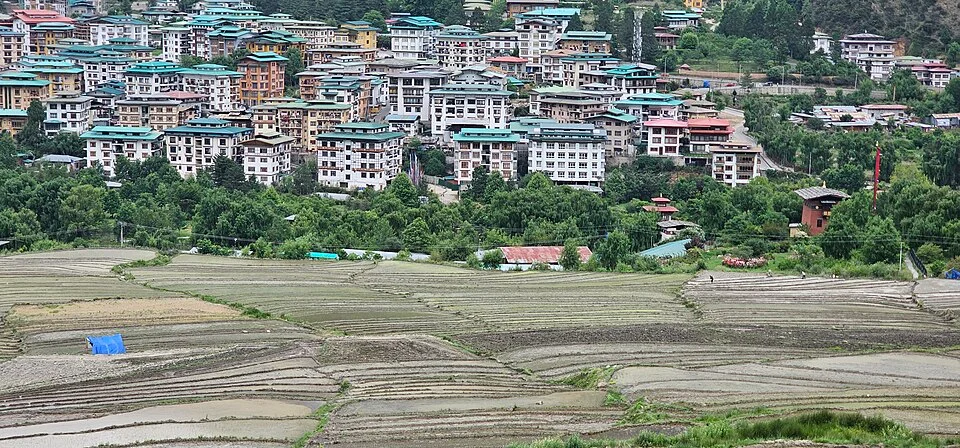
- Explore ancient monasteries, dzongs, and traditional villages.
- Trek through pristine forests, alpine meadows, and remote valleys.
- Enjoy peaceful camping in the Himalayan wilderness.
- Discover Bhutan’s unique culture, traditions, and Buddhist heritage.
- Witness spectacular sunrise and sunset views over snow-capped peaks.
- Explore beautiful high-altitude lakes and mountain landscapes.
- Experience Bhutan’s peaceful atmosphere and authentic local lifestyle.
Overview
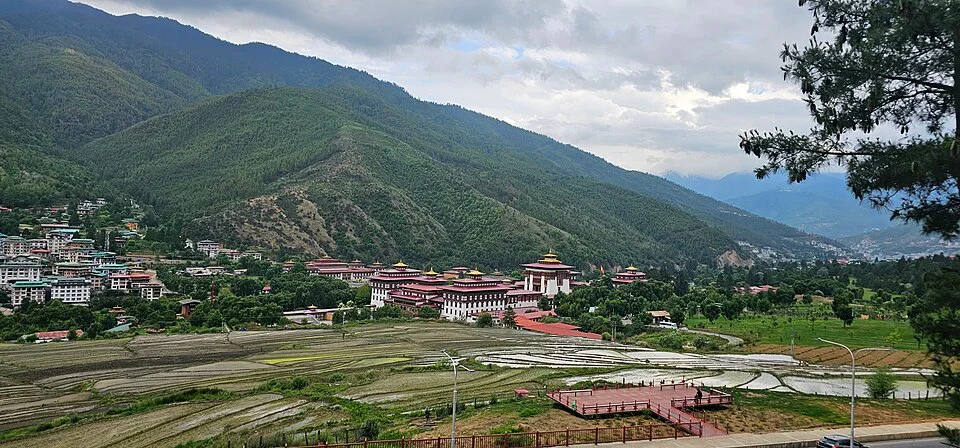
Bhutan Trek is an unforgettable Himalayan adventure that combines dramatic mountain landscapes, pristine forests, peaceful valleys, ancient monasteries, and rich Bhutanese culture. The trekking routes take you through remote mountain regions where traditional villages, Buddhist temples, alpine meadows, and beautiful high-altitude lakes create a truly unique experience.
From the scenic Druk Path Trek to the challenging Jomolhari and Snowman Treks, Bhutan offers options for different levels of trekking experience. Along the journey, trekkers can enjoy spectacular views of snow-capped Himalayan peaks, experience traditional Bhutanese hospitality, and discover the country’s peaceful way of life. With its untouched nature, spiritual atmosphere, and diverse landscapes, Bhutan Trek is an excellent choice for travelers seeking adventure, culture, and tranquility in the Himalayas.
Bhutan Trek – Itinerary
Day 1: Arrival in Paro
Arrive in Bhutan, meet your guide, transfer to the hotel, and explore the peaceful surroundings of Paro.
Day 2: Paro Sightseeing
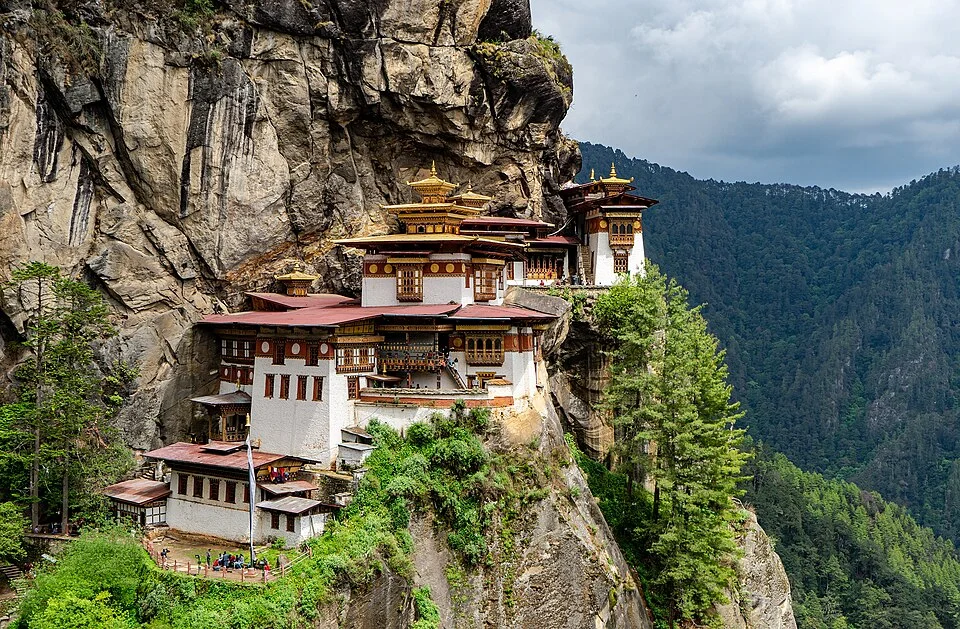
Visit the famous Tiger’s Nest Monastery and explore Paro’s traditional architecture and local culture.
Day 3: Paro to Jele Dzong
Begin the trek through pine and rhododendron forests, gradually ascending to the campsite near Jele Dzong.
Day 4: Jele Dzong to Jangchulakha
Continue through beautiful mountain trails with panoramic views of the surrounding Himalayan peaks.
Day 5: Jangchulakha to Jimilangtsho
Trek through alpine landscapes and reach the beautiful Jimilangtsho Lake.
Day 6: Jimilangtsho to Simkotra
Continue toward higher elevations, passing yak-grazing areas and enjoying spectacular mountain scenery.
Day 7: Simkotra to Phajoding and Thimphu
Cross the mountain pass, descend through forests, and finish the trek near Thimphu.
Day 8: Thimphu Sightseeing
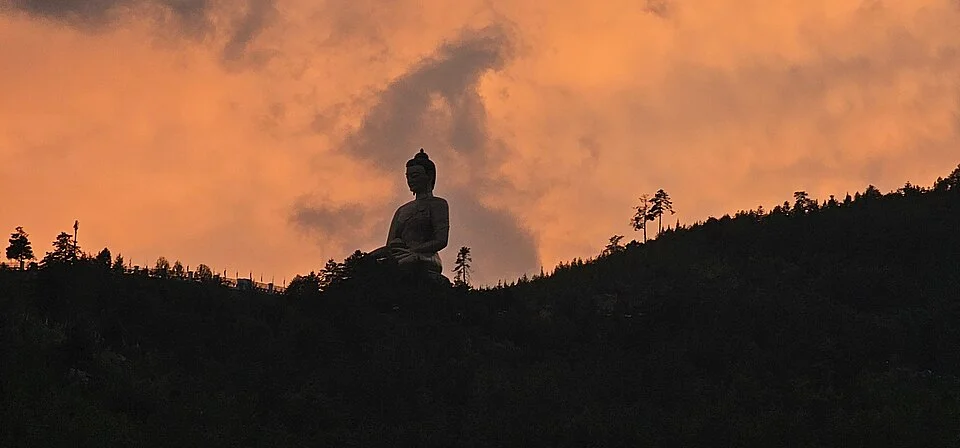
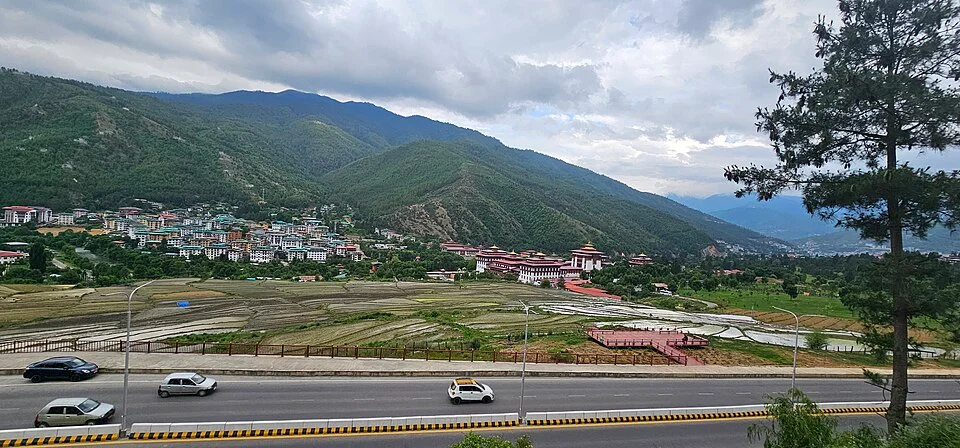
Explore Thimphu’s monasteries, markets, Buddha Dordenma, and other cultural attractions.
Day 9: Thimphu to Paro
Drive back to Paro and enjoy free time for shopping or exploring the town.
Day 10: Departure
Transfer to Paro International Airport for your onward journey.
Essential Information
Bhutan Trek is best undertaken from March to May and September to November, when the weather is generally pleasant and mountain views are clear. Trekkers should have good physical fitness and be prepared for steep trails and high-altitude conditions. Required trekking permits and an authorized local guide are necessary. Pack warm layered clothing, sturdy trekking shoes, rain protection, sunscreen, sunglasses, a water bottle, and personal medicines. Accommodation may include hotels, guesthouses, and camping depending on the route. Proper acclimatization, hydration, and travel insurance covering trekking and emergency evacuation are strongly recommended. Respect Bhutanese customs, Buddhist traditions, monasteries, and local communities throughout the journey.
Explore the Destinations
Inclusinons And Exclusion
- Bhutan travel permits and required trekking permits.
- Airport transfers and transportation as per the itinerary.
- Hotel accommodation in Bhutan.
- Camping equipment and camping accommodation during the trek.
- Meals as mentioned in the itinerary.
- Experienced English-speaking trekking guide.
- Support staff, cooks, and necessary trekking assistance.
- Entrance fees for sightseeing places mentioned in the itinerary.
- Basic first-aid support and necessary trekking arrangements.
- International airfare and flight-related charges.
- Travel insurance and emergency evacuation expenses.
- Personal expenses such as laundry, telephone, Wi-Fi, and shopping.
- Personal trekking equipment and clothing.
- Alcoholic drinks and extra beverages.
- Meals and accommodation not mentioned in the itinerary.
- Tips for guides, drivers, and support staff.
- Expenses caused by bad weather, flight delays, road closures, or other unforeseen circumstances.